
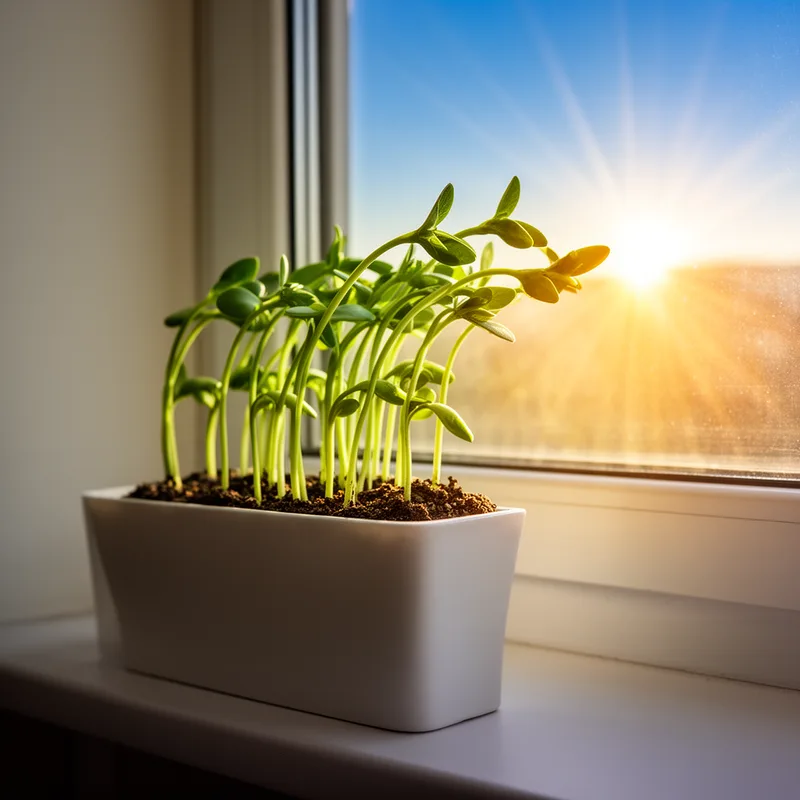
heliotropism


 1
9.9
- noun
- /ˌhiːliˈoʊtrəˌpɪzəm/
- Specialized
- The sunflower is well known for its heliotropism, turning to follow the sun throughout the day.
Loading YouTube…
Watch on YouTubeSunflowers are aptly named because they practiced heliotropism.
- Sunflowers are aptly named because they practiced heliotropism.
Examples
-
The sunflower is well known for its heliotropism, turning to follow the sun throughout the day.
-
The sunflower exhibits heliotropism by turning towards the sun.
-
Certain desert plants display strong heliotropism to maximize their exposure to the sun's rays.
-
Researchers studied the heliotropism of young seedlings to understand how they respond to sunlight.
-
Many plants show heliotropism during the day.
-
Researchers studied the heliotropism of young seedlings to understand how they respond to sunlight.
-
Certain desert plants display strong heliotropism to maximize their exposure to the sun's rays.
Synonyms
 1
9.3
Growth toward light by a plant or other living thing
Leaves or flowers move to face the sun to get more light
Surface Forms
Morphology
Etymology
The word heliotropism comes from the parts helio- meaning 'sun' and -tropism meaning 'turning'. So, heliotropism is when a plant, like a sunflower, 'turns' to face the sun to get more light.