
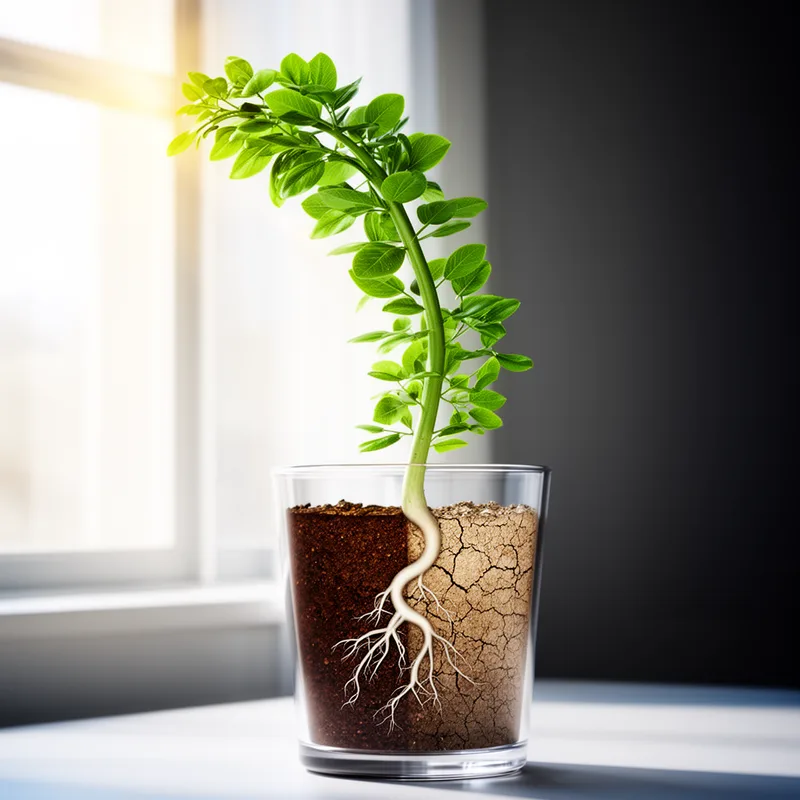
tropism
 1
9.8

- noun
- /ˈtroʊpɪzəm/
- Specialized
- They take to such things by the same simple tropism that makes plants strain toward the sun or attracts bees to bright colors.
Examples
-
It's a hunger of the brain, a tropism, like a plant turning to the sun, to light.
Fiction book (2001) -
What you're really talking about is the tropism or matching of a pathogen and its host.
-
I'm curious about this: How much derives from your own personal interests and tropisms?
Blog text (12) -
Glowing lights floated above the pool, swirling in response to incomprehensible tropisms.
Fiction book (1994) -
The sunflower exhibits a natural tropism that causes it to turn towards the sun throughout the day.
-
When exposed to light, the plant shows a clear tropism as its leaves bend toward the source.
-
The animal's tropism towards warmth makes it move closer to the heat emitted from the fireplace.
Synonyms


 1
9.0
Movement by a living thing toward something helpful or away from something harmful
Surface Forms
Morphology
tropism = tropic (semi-transparent) = trop + ism
Formed from the combining form 'trop-' (meaning 'turn') plus the noun-forming suffix '-ism'; the combining form is not a common standalone English word, so the relation is only partially transparent to learners.
Etymology
The word tropism comes from the Greek root tropos, which means 'turn', so imagine a plant 'turning' its leaves toward light or roots 'turning' toward water. That's why tropism describes an automatic movement or turning of a living thing toward or away from something outside it.