

to have a quarrel
 2
2.8
2
2.8

- phrasal verb
- /hæv ə ˈkwɔrəl/
- After a small misunderstanding, you and I have a quarrel that needs to be resolved.
Examples
-
The little one had a quarrel with his father.
-
Now we have a quarrel.
-
You and I no longer have a quarrel.
-
I ask again, do we have a quarrel, sir?
-
No one has a quarrel with you,
-
Do we have a quarrel, sir?
-
Have you had a quarrel?
-
When you and I have a quarrel, you need to get it all out there properly.
-
We had a quarrel that was overheard.
Fiction book (1999) -
We had a quarrel.
Synonyms
 607
1.1
607
1.1
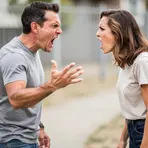
To speak angrily with someone because you disagree
 119
7.5
119
7.5
Argue angrily with someone about something
 46
3.1
46
3.1
To disagree strongly with another person or group
 36
2.9
36
2.9
To talk with someone because you disagree about something
 36
4.1
36
4.1
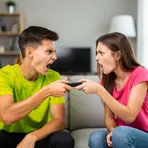
Argue again and again with someone about small unimportant things
 35
2.6
35
2.6
To argue angrily with someone about small things
 18
4.4
18
4.4
To argue loudly about small unimportant things
 17
8.2
17
8.2
To complain about something
 15
3.6
15
3.6
To stop being friendly with someone after an argument
 13
6.3
13
6.3
To argue strongly with each other
 11
6.9
11
6.9
Talk angrily to someone because of a disagreement
 6
6.8
6
6.8
To argue loudly for a long time
 5
5.1
5
5.1
To argue strongly with someone about something
 5
6.8
5
6.8
Argue strongly with someone, often in public

To argue angrily, often for a long time or in public

Argue a little about something, like where to eat
Antonyms


How Serious

Surface Forms
Morphology
The verb 'have' meaning 'to experience' combined with the noun 'quarrel' meaning 'an angry disagreement' directly yields 'to experience an argument', so a B1 learner who knows the constituent words can readily infer the meaning. The pattern have + a + noun (indicating an event or occurrence) is common across languages and non-idiomatic, supporting a transparent rating.
Etymology
Have a quarrel gives a simple picture: two people have a quarrel when they meet and throw sharp words at each other like small stones. So, it means 'to argue' or 'fall out' and end up with bad feelings.