
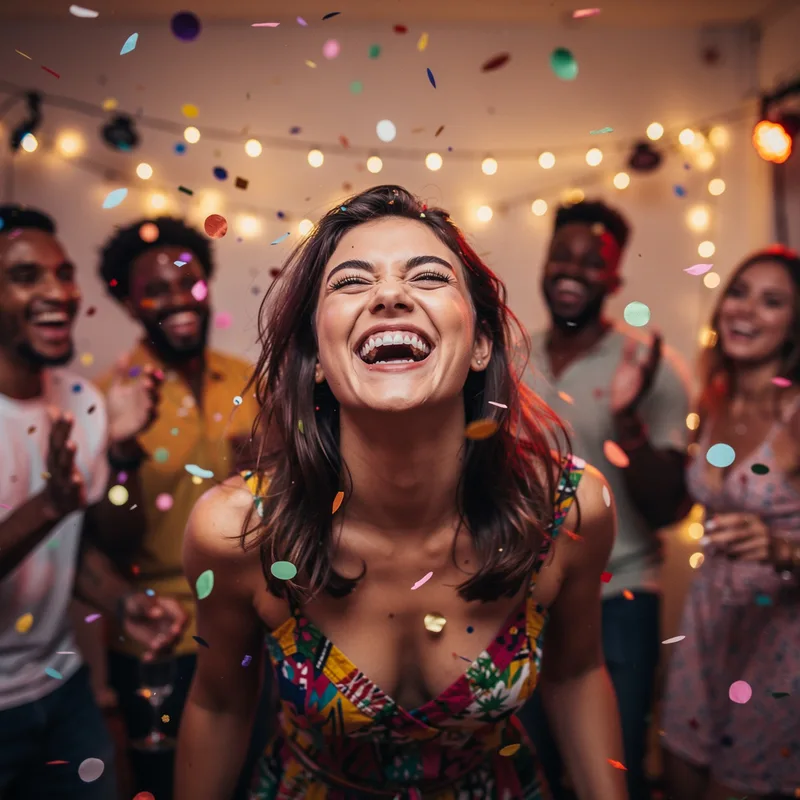
to have a good time
 504
1.4
504
1.4

- phrasal verb
- I hope you have a good time at the concert tonight!
- want to have a good time
- just have a good time
- simply have a good time
Loading YouTube…
Watch on YouTubeAll I know is I had a good time after the fight, right?
- All I know is I had a good time after the fight, right?
- You give them enough freedom, they will have a good time, right?
- I don't either, but I had a good time and that's what counts in the end.
- This is just a fun person who's having a good time and is being friendly.
- So the parties continued and, you know, I had a good time with that.
- I came to explore and to have a good time with my friends.
- I would dance, have a good time, I'd make friends.
Examples
-
Did you have a good time?
-
I hope Walter and Nadia are having a good time.
-
Stay safe, stay out of trouble, but have a good time, OK?
-
OK, have a good time and see you tomorrow.
-
I came to explore and to have a good time with my friends.
-
I like to have a good time.
-
You two go ahead and have a good time, okay?
-
I'm having a good time.
-
We spent the afternoon at the lake and had a good time swimming, talking, and enjoying the view.
Academic text (1992) -
As hostess, I expect you to make sure every guest has a good time.
Fiction book (1990)
Synonyms
 ∞
1.0
∞
1.0
To feel happy because of something you do or see
 41
5.2
41
5.2
To enjoy yourself a lot
 31
6.5
31
6.5
Enjoy yourself a lot
 13
1.6
13
1.6
Enjoy something funny and laugh with others

To have a lot of fun during an event or time
Antonyms


How Enjoyable

Surface Forms
Morphology
The meaning 'to enjoy yourself' is directly derivable from combining 'have' (to experience) with 'a good time' (a pleasurable occasion); each constituent contributes transparently to the overall sense. This is a standard, compositional English phrase (paralleled in many languages), so a B1 learner who knows the individual words will readily understand it.
Etymology
Have a good time comes from a simple picture: have meaning 'to take or hold' and time meaning 'a period you spend doing something'. So, that picture explains why the phrase means 'to enjoy yourself'.