

goose-tansy
- noun
- The leaves of the goose-tansy gleam silver in the early morning sunlight.
Examples
-
Gardeners sometimes plant goose-tansy as ground cover in their flower beds.
-
In the wild, goose-tansy can be found flourishing in the northern regions of the United States.
-
Goose-tansy grows wild across much of Scandinavia and northern Canada.
-
The goose-tansy blooms beautifully in the spring.
-
Have you seen the goose-tansy in the garden?
-
Many people appreciate goose-tansy for its attractive silvery leaves that brighten up their gardens.
-
During the summer months, the goose-tansy plant attracts various pollinators with its vibrant blooms.
Synonyms

A low-growing plant that grows back each year with silvery undersides on its leaves
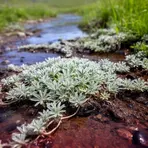
A low growing plant with silvery leaves that spreads along wet ground
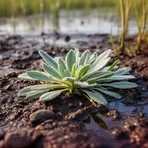
A low plant with silvery leaves that often grows in poor or wet soil
Surface Forms
Morphology
Etymology
Goose-tansy joins two simple words: goose and tansy. A helpful way to remember it is that this low plant often grows where geese are and has soft, silvery leaves like 'goose down', so the name points to a low, silvery-leaved plant.

