
glycosylation


 1
9.9
- noun
- /ɡlaɪˌkoʊsɪˈleɪʃən/
- Specialized
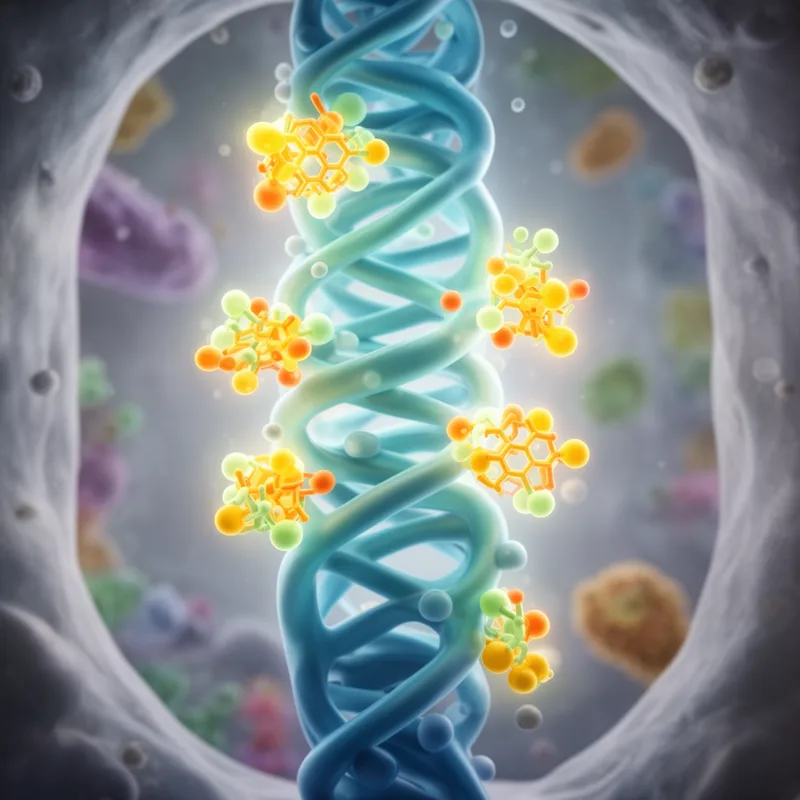
- Protein glycosylation is the process of transferring a carbohydrate, usually an oligosaccharide, to a protein.
- protein glycosylation
- glycosylation sites
- glycosylation in cancer
Loading YouTube…
Watch on YouTubeWhen you don't have glycosylation of LH and FSH, the hormones that tell your testicle and your ovary to work, you are infertile.
- When you don't have glycosylation of LH and FSH, the hormones that tell your testicle and your ovary to work, you are infertile.
Examples
-
During glycosylation, a sugar molecule is attached to a protein, affecting its stability and function.
-
Targeting altered glycosylation as an immunotherapeutic strategy is a major field of research in the fight against cancer.
Academic text (2016) -
The alterations of glycosylation observed in human cancer reflect several genetic, epigenetic, and metabolic alterations in the tumor cells.
Academic text (2016) -
Protein glycosylation in gastrointestinal cancer: molecular mechanisms underlying the aberrant glycan biosynthesis.
Academic text (2016) -
Alterations in protein glycosylation are among the main molecular events accompanying oncogenic transformations in the gastric and colorectal tracts 14-16.
Academic text (2016) -
The glycosylation of proteins is essential for their proper functioning within the cell.
-
Research shows that defects in glycosylation can lead to various diseases, including cancer.
Surface Forms
Morphology
glycosylation = glycosylate (opaque) = glycosyl + ation
Formed by nominalizing the technical verb 'glycosylate' with -ation, but the combining form 'glycosyl' ('sugar') is specialized and not obvious to general learners.
Etymology
The word glycosylation comes from the root glyco- meaning 'sweet' and the ending -ation meaning 'a process', and the same root appears in glucose. A helpful way to remember it is to imagine adding a 'sweet tag' to a protein, so glycosylation is the process of attaching a sugar to a protein or other molecule in the cell.