

glute muscle
- noun
- /ɡluːt ˈmʌsəl/
- Specialized
- Proper activation of the glute muscles is crucial for maintaining good posture during physical activities.
Examples
-
The glute muscle is essential for hip stability.
-
Many athletes train their glute muscles for better performance.
-
He injured a glute muscle while sprinting during practice.
-
Regular lunges help strengthen your glute muscles for better athletic performance.
-
The physical therapist recommended exercises targeting the glute muscles to improve posture.
-
Exercises that target the glute muscle can improve your overall strength and stability.
-
In order to enhance performance, it's essential to strengthen your glute muscles through specific workouts.
Synonyms

 15
6.0
15
6.0

A large muscle in the buttock that moves the thigh
 4
7.5
4
7.5
A large muscle in the buttock that helps move the leg
 2
4.8
2
4.8
A large muscle in the buttocks that moves the hip and thigh


 1
7.0
1
7.0
A small muscle in the buttocks that helps keep the hip steady and move the leg

A large muscle in the buttock that moves the thigh

A large muscle at the back of the hip that moves the thigh and forms the buttock
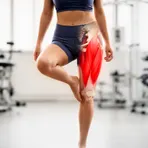
A muscle on the side of the hip that helps keep the hips steady
Surface Forms
Morphology
The meaning ('muscle in the buttocks') is directly and compositionally derived from 'glute' (buttock muscle group) + 'muscle' (body tissue producing movement). This noun–noun compounding is a transparent, regular English pattern and would be understandable to a B1 learner who knows both constituent words.
Etymology
Glute muscle comes from the old Greek word 'gloutos', which meant the buttock. The part glute points to the back of the hip and muscle is tissue that moves the body, so 'glute muscle' now means the large muscles in the buttocks that move the hip and thigh.