

ghostlike
 1
6.5
1
6.5

- adjective
- /ˈɡoʊstlaɪk/
- Jaundiced lanterns and thick banners of state hung on the wall, their banners casting ghostlike shadows across the stairs.
Examples
-
Men's clothes were shabby brown and gray; ghostlike women covered their heads with dark shawls.
Academic text (2012) -
As the fog rolled in, the trees took on a ghostlike appearance, their silhouettes barely visible.
-
Struggle to find food, water, and electricity as parts of the 'ghostlike' city remain dark.
Blog text (2) -
There is something mysterious and ghostlike in the description of downtown.
Academic text (2016) -
The pale, weary, ghostlike figure of a man is standing just inches in front of him.
Fiction book (1996) -
To the left of the main door was a towering figure that appeared ghostlike, wrapped in black robes.
Fiction book (1990) -
We see New York City in 2065, ruined, ghostlike, except for the portions under the protective dome.
Blog text (17) -
In the rippled window, the movement was ghostlike, blurred, and wavering, and after a while, she turned away.
Fiction book (1990) -
And he saw crabs, eerily pale and ghostlike as they scuttled among the crevices.
Fiction book (2000) -
The ghostlike figure floated silently through the abandoned house, leaving an eerie chill in the air.
Synonyms
 91
5.1
91
5.1
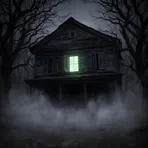
A strange, frightening feeling as if ghosts are nearby
 40
4.7
40
4.7
Having a pale, quiet look that feels scary
 28
7.0
28
7.0
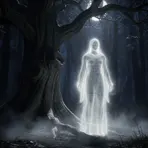
Appearing like a ghost
 5
7.5
5
7.5
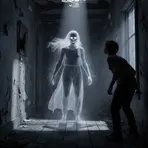
Looking like a ghost and causing fear
 1
9.9
1
9.9
Looking like a ghost and seeming unreal

 1
9.9
1
9.9
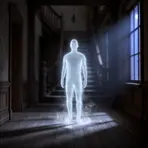
Having the look or feel of a ghost
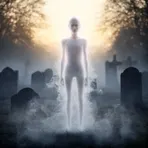 1
9.9
1
9.9
Having a thin, ghostlike appearance

Appears like a ghost, not solid or easy to see
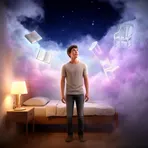
Being unreal and like a dream

Having a quality like a dream or a ghost that seems unreal
How Ghostlike

Surface Forms
Morphology
Etymology
Ghostlike comes from the simple word ghost, meaning 'a spirit', plus the ending -like, meaning 'similar to'. So ghostlike means 'similar to a ghost', which is why we use it for pale, quiet, or eerie things.