phantomlike

phantomlike

7.8
Appears like a ghost, not solid or easy to see
  • adjective
  • /ˈfæntəmˌlaɪk/
translation icon : fantasmal
  • As the fog rolled in, the trees took on a phantomlike quality, blending into the mist.

Examples

  • She wore a phantomlike gown that billowed around her, making her look ethereal.

  • Neutrino: A neutral, phantomlike particle that is emitted during certain radioactive decay processes.

    Academic text (1993)
  • Yet a shadow is only similar to a reflection when it is not a shadow but a shade, when it is not a silhouette cast by an object standing and blocking the light, but a flat, phantomlike replication of the body, a monochrome or otherwise lightless image.

    Academic text (1995)
  • "It is something always glimpsed momentarily, a phantomlike figure in the woods, or the recollection of a dream which, lacking all specificity, occasionally haunts the brain.

    Academic text (1993)
  • The ghostly presence moved through the hall, its shape appearing phantomlike in the dim light.

Synonyms
eerie
vsphantomlike
91 5.1

A strange, frightening feeling as if ghosts are nearby

focuses more on mysterious, insubstantial appearance than on fear
uncanny
vsphantomlike
61 7.0

Strange or mysterious in a way that makes you feel uneasy

emphasizes visible insubstantial or ghostly traits rather than only unsettlement
ghostly
vsphantomlike
40 4.7

Having a pale, quiet look that feels scary

is broader, meaning uncanny unreality or insubstantial presence rather than form
unreal
vsphantomlike
28 4.2

Not real, like something from a dream
adds a ghostly, mysterious edge rather than mere unreality
weird
vsphantomlike
  • Literature
25 3.8

Strange in a way that seems caused by ghosts or spirits

is narrower, highlighting spectral appearance rather than general oddness
disembodied
vsphantomlike
15 8.0

Seeming to exist without a body, like a voice or spirit
is broader, applying to any mysterious or insubstantial appearance
illusory
vsphantomlike
12 7.0

Seeming to be real but not really there
is more about mysterious, insubstantial appearance than mere illusion
unearthly
vsphantomlike
9 7.7

Very strange and not like anything from this world

focuses more on faint, ghostly appearance rather than broad otherworldly strangeness
dreamlike
vsphantomlike
9 5.7

Having a calm, unreal quality as if you are half asleep
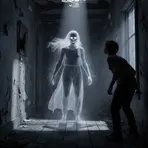
leans more toward ghostlike mystery and insubstantial presence
spectral
vsphantomlike
  • Literature
5 7.5

Looking like a ghost and causing fear
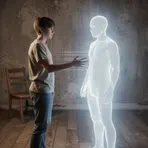
is wider, including any mysterious or insubstantial appearance not only pale ones
incorporeal
vsphantomlike
2 9.9

Not having a physical body or shape that you can touch
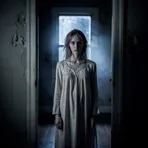
emphasizes apparent unreality or mystery rather than literal bodilessness
ghostlike
vsphantomlike
1 6.5

Having a pale, thin, and quiet appearance that feels spooky

visually stresses mystery and insubstantiality rather than a literal spirit
phantasmal
vsphantomlike
  • Literature
1 9.9

Looking like a ghost and seeming unreal
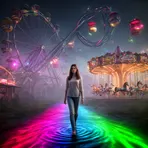
focuses more on overall mystery and unreality than just thinness
phantasmagorical
vsphantomlike
  • Literature
1 9.9

Something that looks strange and like a vivid dream

is less about bizarre imagery and more about ghostly insubstantiality
phantasmagoric
vsphantomlike
  • Literature
1 9.9

Looks like a strange dream with changing images
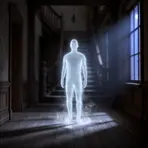
stresses an appearance of a phantom rather than shifting fantasy scenes
apparitional
vsphantomlike
  • Literature
1 9.9

Having the look or feel of a ghost
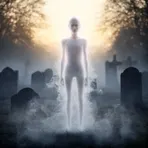
is less about a single appearance and more about uncanny unreality
wraithlike
vsphantomlike
1 9.9

Having a thin, ghostlike appearance

is more general, covering mystery and unreality beyond thin appearance
phantasmic
vsphantomlike
  • Literature
9.7

Having a quality like a dream or a ghost that seems unreal

leans more to mysterious, insubstantial appearance than purely dream quality
phantasmatic
vsphantomlike
  • Literature
9.9

Being unreal and like a dream

stresses ghostly mystery and lack of substance more than dreaminess
unembodied
vsphantomlike
9.9

Not having a physical body, like a ghost

focuses on seeming insubstantial or mysterious rather than pure nonbodiness
shadowlike
vsphantomlike
5.5

Appears dark and faint, like a shape with unclear edges
is broader, implying ghostly mystery rather than just shadowy look
unlifelike
vsphantomlike
8.5

Not like real life and missing natural feeling

implies a mysterious, ghostlike quality rather than general unreality

Antonyms

65 4.1

Showing things as they are in real life

35 5.0

Real and based on facts that can be shown

How Ghostly

ghostlike
1 6.5
phantomlike
7.8
eerie
91 5.1
uncanny
61 7.0

Surface Forms

phantomlike positive

Morphology

phantomlike = phantom (transparent) = phantom + like

The adjective is directly formed from the noun 'phantom' with the productive suffix '-like', so its meaning 'resembling a phantom' is immediately derivable by learners.

Etymology

Phantomlike comes from phantom, which meant an 'appearance' or 'ghost', and the ending -like means 'similar to'. So something phantomlike looks or feels like a ghost — unreal, mysterious, and likely to vanish.