
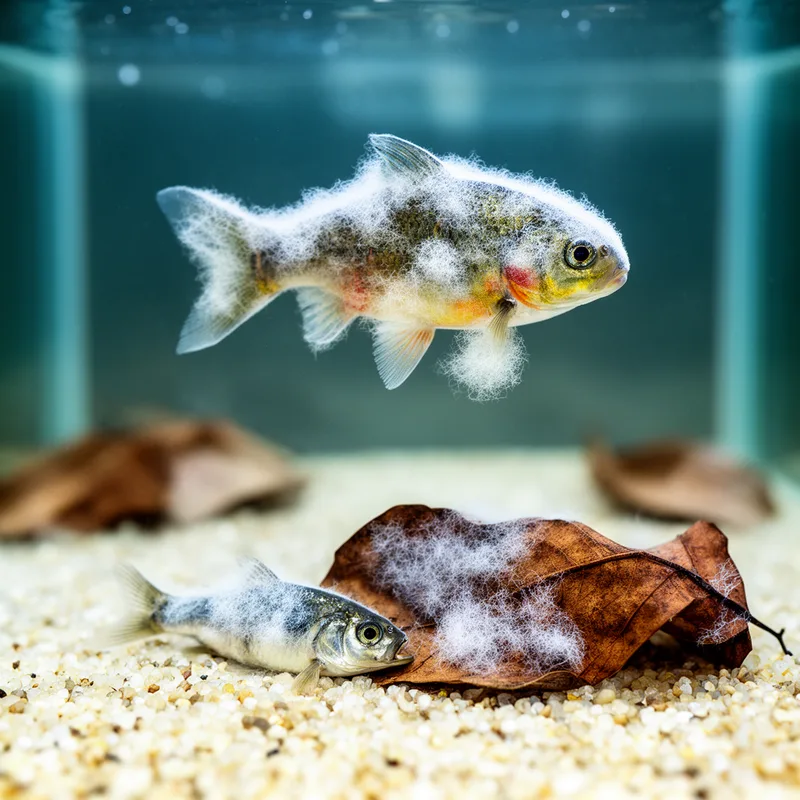
genus Saprolegnia
- noun
- /ˈdʒɛnəs ˌsæprəˈlɛɡniə/
- Specialized
- The genus Saprolegnia includes several species that affect fish.
Examples
-
Researchers studied the growth of genus Saprolegnia on decomposing leaves in freshwater streams.
-
Aquarists often encounter issues when genus Saprolegnia infects the tank's aquatic life.
-
Genus Saprolegnia is known for causing water molds that threaten fish populations.
-
Researchers are studying the genus Saprolegnia for its impact on aquatic ecosystems.
-
Aquarists often face challenges when genus Saprolegnia spreads in their fish tanks.
-
The genus Saprolegnia thrives on decaying organic matter, contributing to diseases in aquatic life.
-
Scientists are investigating how genus Saprolegnia affects the health of fish in polluted waters.
Synonyms

A water fungus that grows on dead plants and animals
Surface Forms
Morphology
The phrase simply combines the biological term 'genus' with the taxonomic name 'Saprolegnia'; if a learner knows both constituents they can infer it refers to a genus called Saprolegnia (a group of related fungal species). This follows standard, cross-linguistic scientific naming conventions and is not idiomatic, so the meaning is directly derivable from the parts.
Etymology
Genus Saprolegnia may come from old Greek parts: sapro- meaning 'rotten' and -legnia from a word for 'web' or 'threads'. The name gives a clear image of slim, thread-like growth on dead plants and animals in water, which is why it labels these water molds that often harm fish.

