
genus Salvia
- noun
- /ˈdʒɛnəs ˈsælviə/
- Specialized
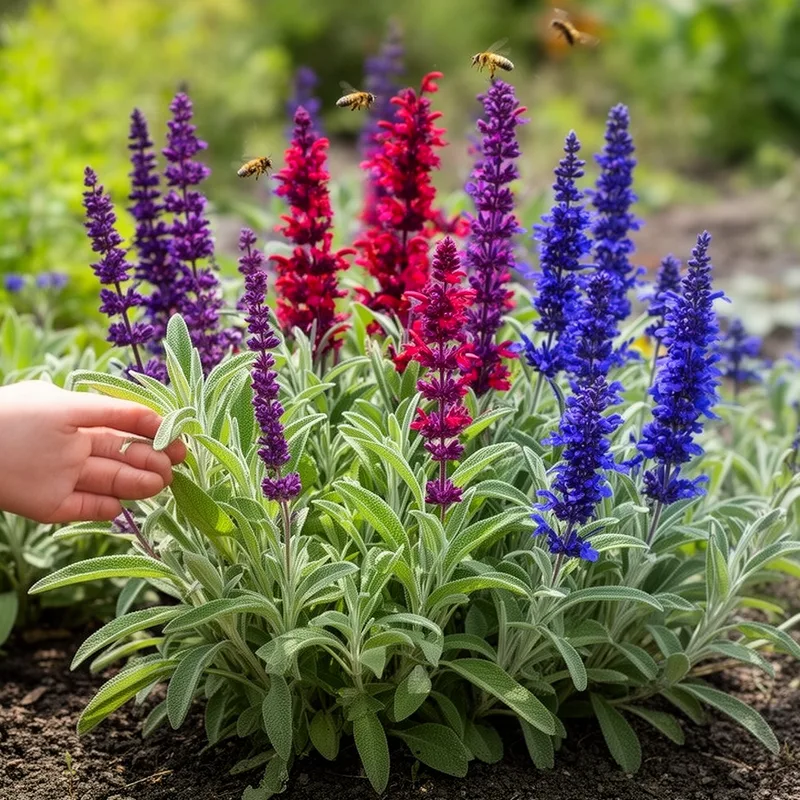
- Many varieties within the genus Salvia are popular choices for herb gardens due to their aromatic leaves.
Examples
-
The ornamental flowers of the genus Salvia attract bees and butterflies to the garden.
-
The genus Salvia includes many species used in cooking.
-
Botanists have documented over 900 species in the genus Salvia worldwide.
-
Did you know that genus Salvia has over 900 species?
-
Many varieties within the genus Salvia are popular choices for herb gardens due to their aromatic leaves.
-
Botanists have documented over 900 species in the genus Salvia worldwide.
-
The ornamental flowers of the genus Salvia attract bees and butterflies to the garden.
Surface Forms
Morphology
This is a straightforward taxonomic label: combining 'genus' (a biological rank) with the proper name 'Salvia' yields the meaning 'the genus to which Salvia species belong.' The construction is compositional and cross-linguistically common, so a B1 learner who knows both words can reliably infer the MWE's meaning.
Etymology
Genus Salvia comes from the old Latin word Salvia, from 'salvare' meaning 'to heal', because people long ago used sage plants as medicine. So today genus Salvia means the group of scented, sage-like plants often grown for their leaves and flowers.

