
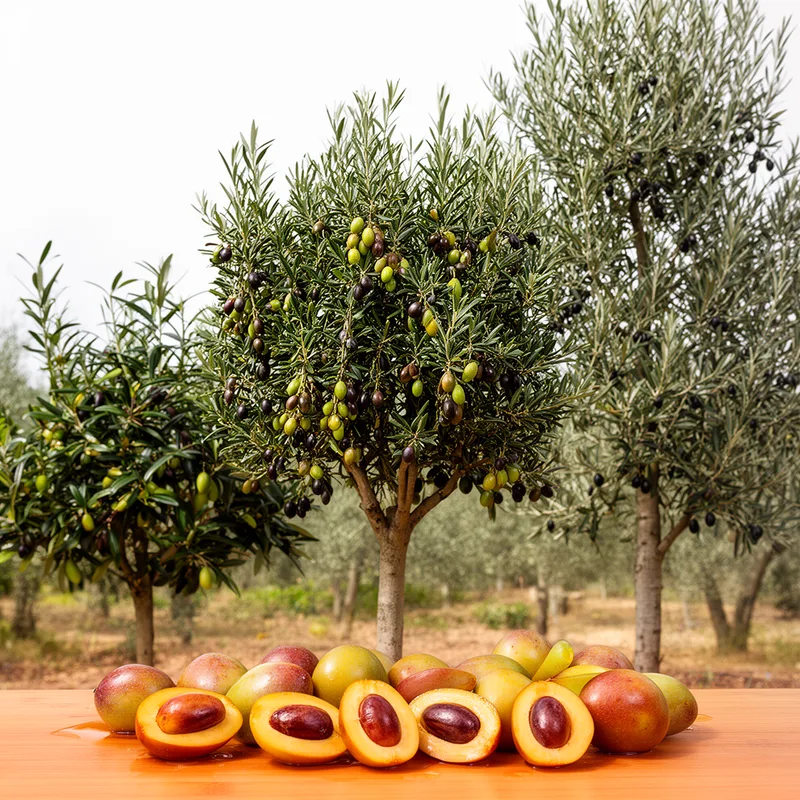
genus Olea
- noun
- Specialized
- Botanists often study the genus Olea because of its economic importance, especially the olive tree.
Examples
-
The genus Olea includes several species of olive trees.
-
The genus Olea includes a number of species found throughout Africa, Asia, and Europe.
-
All trees in the genus Olea produce fruits with a single hard seed, commonly known as drupes.
-
Many gardeners prefer plants from the genus Olea for their resilience.
-
The genus Olea consists of evergreen trees and shrubs, including popular varieties like the olive.
-
Farmers cultivate species from the genus Olea due to their yield of flavorful olives.
-
Understanding the genus Olea is essential for anyone interested in the cultivation of olive trees.
Synonyms
A group of evergreen trees and bushes, including the olive, that have oily fruits with one seed
Surface Forms
Morphology
The phrase is directly compositional: 'genus' (a biological rank) combined with 'Olea' (the taxonomic name for the olive group) yields the genus named Olea containing olive trees. This noun-noun taxonomic naming pattern is standard and cross-linguistically familiar, so a B1 learner who knows both constituents can readily infer the meaning.
Etymology
Genus Olea comes from Latin: Olea means 'olive' and genus is a word for a 'group' of related plants, so the name simply means the 'group' of trees and shrubs that make the oily olive fruit.

