
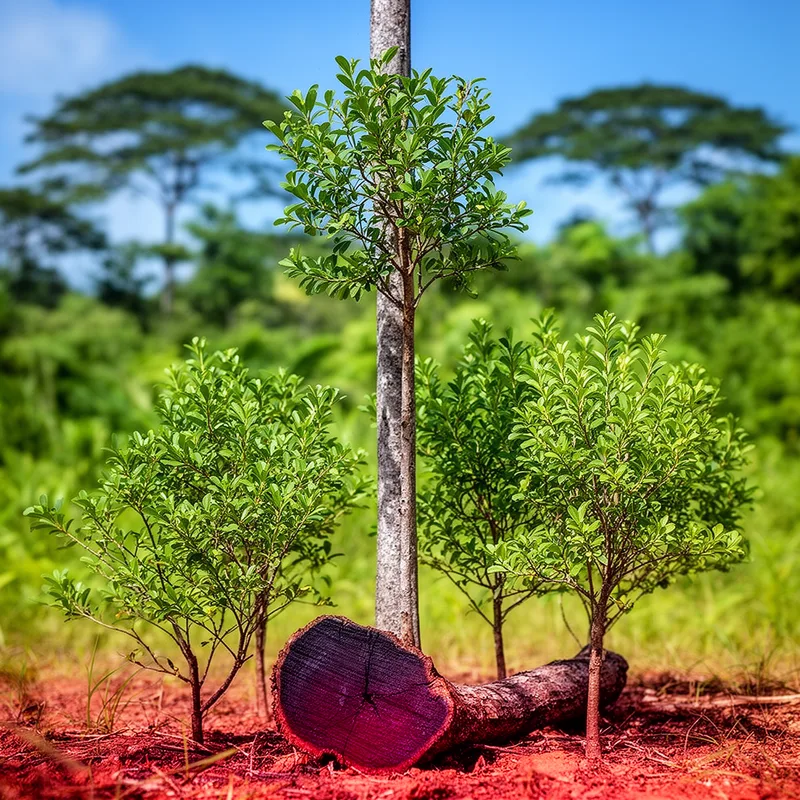
genus Haematoxylum
- noun
- /ˈdʒɛnəs hiˌmætəˈzɪləm/
- Specialized
 :
género Haematoxylum
:
género Haematoxylum
- The genus Haematoxylum includes the logwood tree, which is valued for its dye-producing wood.
Examples
-
Botanists have identified several species within the genus Haematoxylum that thrive in tropical climates.
-
Many researchers study the genus Haematoxylum for its medicinal properties.
-
Many explorers collected specimens from the genus Haematoxylum during their expeditions in Central America.
-
The genus Haematoxylum includes several species of trees.
-
The genus Haematoxylum is important in forestry due to its production of valuable hardwood used in furniture.
-
Researchers are documenting the various characteristics of the genus Haematoxylum to better understand its ecological significance.
-
The genus Haematoxylum contains species that are critical for supporting biodiversity in tropical forest ecosystems.
Synonyms
A small group of spiny, bushy shrubs or small trees from tropical America
A small thorny tree or bush from tropical America that gives a red dye
A small group of spiny bushes and small trees from tropical America with wood used for dye
Surface Forms
Morphology
The noun phrase is compositionally built from 'genus' (a biological rank) plus the proper name 'Haematoxylum', so a learner who knows both constituents can infer it refers to the taxonomic group named Haematoxylum (i.e., the genus of those trees). Taxonomic naming is a regular, cross-linguistic pattern and thus the meaning is directly derivable from the parts.
Etymology
Genus Haematoxylum may come from Greek parts haema and xylon, where haema means 'blood' and xylon means 'wood'. These trees, like the logwood, make a deep red dye that looks like 'blood', so the name helps you remember this group of dye-producing trees.

