
genus Claviceps
- noun
- /ˈdʒɛnəs kləˈvaɪsɛps/
- Specialized
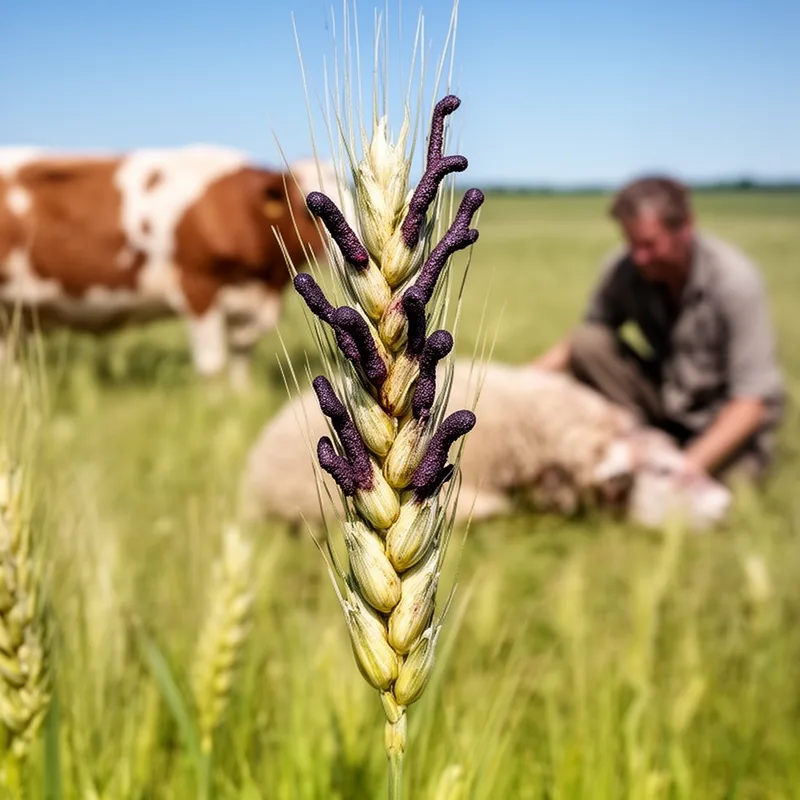
- The genus Claviceps includes fungi responsible for the disease ergot in cereals such as rye.
Examples
-
Members of the genus Claviceps are known for producing toxic alkaloids affecting both humans and livestock.
-
Scientists studied the life cycle of genus Claviceps to understand its impact on agriculture.
-
The genus Claviceps is known for its role in producing ergot.
-
Did you know that the genus Claviceps can affect rye crops?
-
The genus Claviceps includes the ergot fungus, which can have serious effects on human health if ingested.
-
Researchers focus on the genus Claviceps to develop better agricultural practices that mitigate its harmful effects.
-
Plants infected by the genus Claviceps often show symptoms of ergot poisoning, which can affect livestock and humans.
Synonyms

A fungus that grows on rye and other grain plants and makes a poisonous growth called ergot
Surface Forms
Morphology
The phrase is directly compositional: 'genus' names a biological rank and 'Claviceps' is the fungal name, so together they denote the taxonomic group containing species of Claviceps. This follows a standard, cross-linguistic scientific naming pattern, so a B1 learner who knows both constituents will readily infer the meaning.
Etymology
Genus Claviceps gets its name from the Latin parts clavi (meaning 'club') and ceps (meaning 'head'). The fungus makes hard, club-shaped bodies on grass flowers, so the name points to that shape and to the ergot disease that affects grain crops.

