
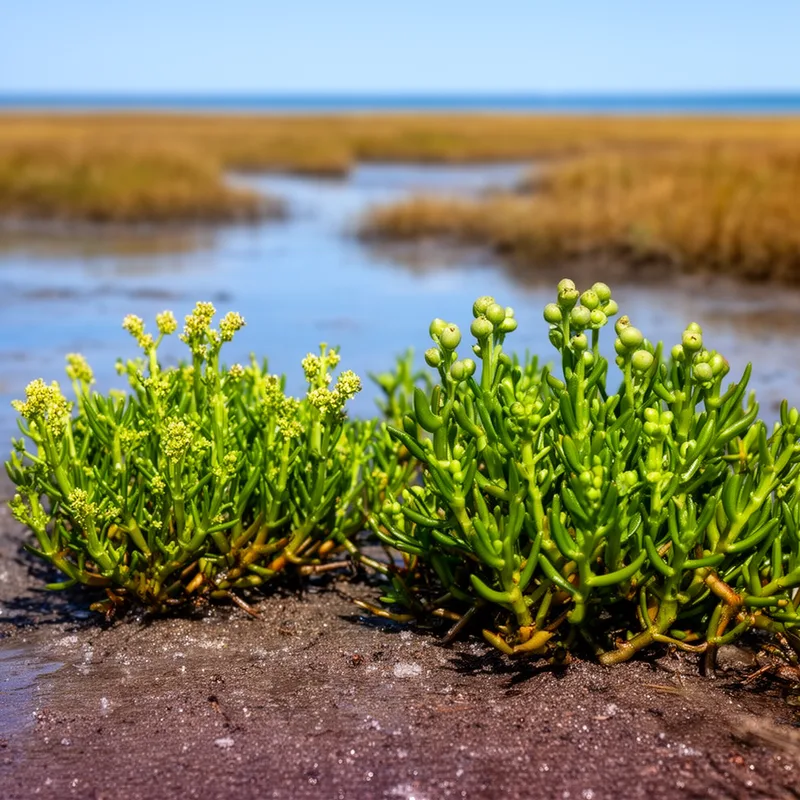
genus Batis
- noun
- Specialized
- Plants in the genus Batis are characterized by their small, dioecious flowers and spreading growth.
Examples
-
The genus Batis includes salt-tolerant shrubs found in coastal marshes.
-
Botanists recently discovered a new species within the genus Batis.
-
The genus Batis includes several unique species.
-
Many botanists study the genus Batis for its ecological significance.
-
Botanists recently discovered a new species within the genus Batis.
-
The genus Batis includes salt-tolerant shrubs found in coastal marshes.
-
Plants in the genus Batis are characterized by their small, dioecious flowers and spreading growth.
Synonyms
A small low shrub that grows in coastal salt marshes

A group of plants that grow in salty soil by the sea, like saltworts

A small family of plants that grow in salty places like salt marshes
Surface Forms
Morphology
The phrase 'genus Batis' is compositionally transparent: 'genus' names a biological rank and 'Batis' is the name of the shrubs, so the combination clearly denotes the taxonomic group of Batis species. This follows standard noun + name naming patterns (common in scientific terminology and across languages), so a learner who knows both constituents can infer the meaning.
Etymology
Genus Batis combines Latin genus, which means 'kind' or 'group', with the name Batis, the traditional name for these low, spreading shrubs. So genus Batis literally means the 'group' of plants called Batis, which is why botanists use it for these small, salt-tolerant coastal shrubs.

