
genus Xanthium
- noun
- /ˈdʒɛnəs ˈzænθiəm/
- Specialized
- The genus Xanthium includes several species commonly known as cockleburs.
Examples
-
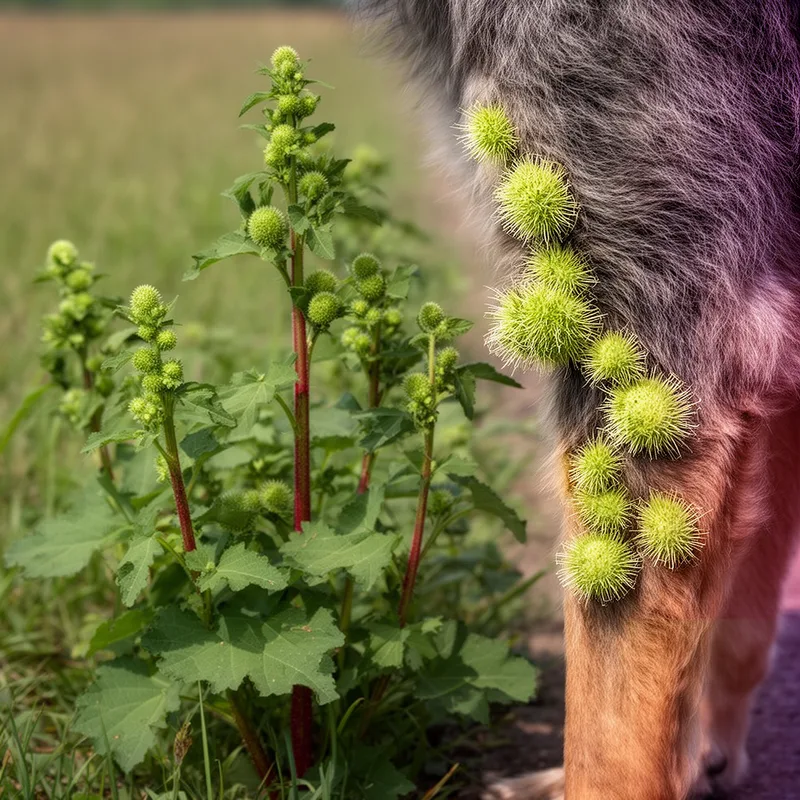
Seeds from the genus Xanthium can attach to animal fur and be widely dispersed.
-
Several members of the genus Xanthium are considered invasive weeds in various regions.
-
Researchers studied the adaptation mechanisms of plants in the genus Xanthium.
-
The genus Xanthium includes several species of plants.
-
Many gardeners are familiar with the genus Xanthium and its burrs.
-
The genus Xanthium is known for its distinctive burrs that can cling to clothing.
-
Botanists often classify plants in the genus Xanthium based on their unique flower structures.
Synonyms
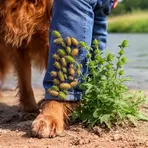
A prickly weed with small hooked burrs that stick to fur and clothes
Surface Forms
Morphology
The phrase combines the taxonomic headword 'genus' (a rank grouping related species) with the proper-name 'Xanthium' (the specific plant genus), so its meaning — the taxonomic group named Xanthium — is directly and transparently derivable from the parts. This follows common cross-linguistic scientific naming conventions where a category label plus a name denotes the group, so a B1 learner who knows both constituents would understand it.
Etymology
Genus Xanthium comes from an old Greek word meaning 'yellow', because some plants in this group have yellowish parts. These plants make sticky seed heads called burrs with hooked bristles that cling to animal fur, so the image of the burrs helps you remember this group of rough plants.

