
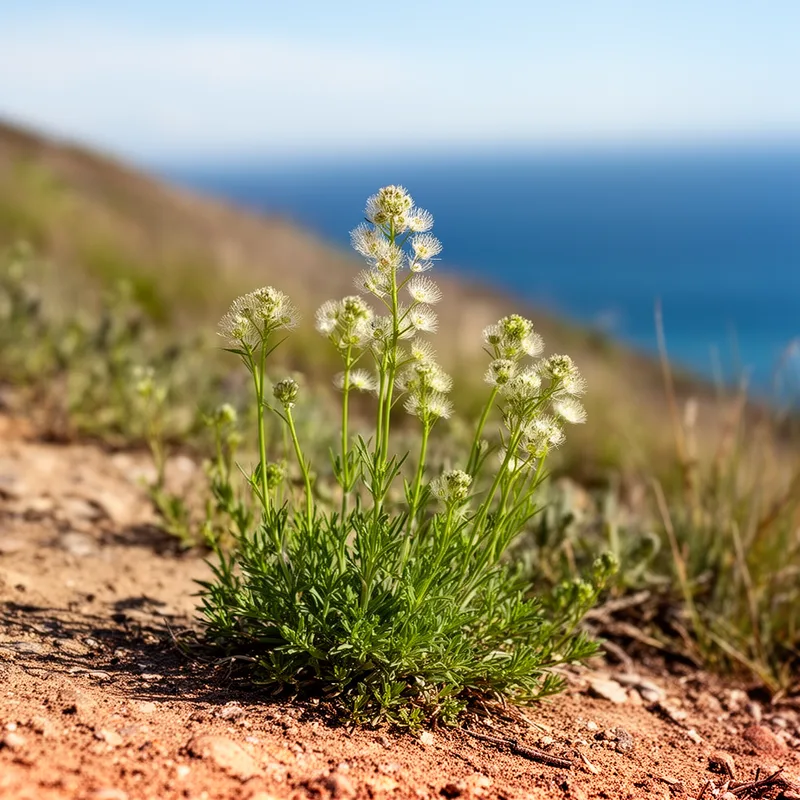
genus Thysanocarpus
- noun
- Specialized
- The genus Thysanocarpus includes several species commonly known as fringepods.
Examples
-
Many plants in the genus Thysanocarpus thrive in well-drained soil.
-
Seeds from genus Thysanocarpus were collected for conservation purposes.
-
Botanists have long studied the distribution of genus Thysanocarpus across California's upland regions.
-
The genus Thysanocarpus includes several unique species.
-
In California, the genus Thysanocarpus is known for its adaptations to upland habitats.
-
Conservationists are focused on protecting the genus Thysanocarpus due to its limited range.
-
The genus Thysanocarpus comprises plants that are important for local biodiversity.
Synonyms
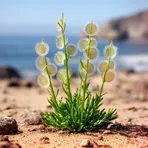
A small group of wild plants from the Pacific coast with flat seed pods that have fringed edges
Surface Forms
Morphology
The phrase is directly compositional: 'genus' (a biological rank grouping related species) combined with the proper name 'Thysanocarpus' yields 'the genus named Thysanocarpus' (a group of related plant species). This follows a standard taxonomic naming pattern familiar across languages, so a learner who knows both constituents can derive the meaning.
Etymology
Genus Thysanocarpus comes from Greek parts thysan- ('tassel' or 'fringe') and -carpus ('fruit'), because the plants have thin seed pods with a fringe. So the name paints a picture of small mustard-family plants with little fringed pods, which is why they are often called 'fringepods' today.

