
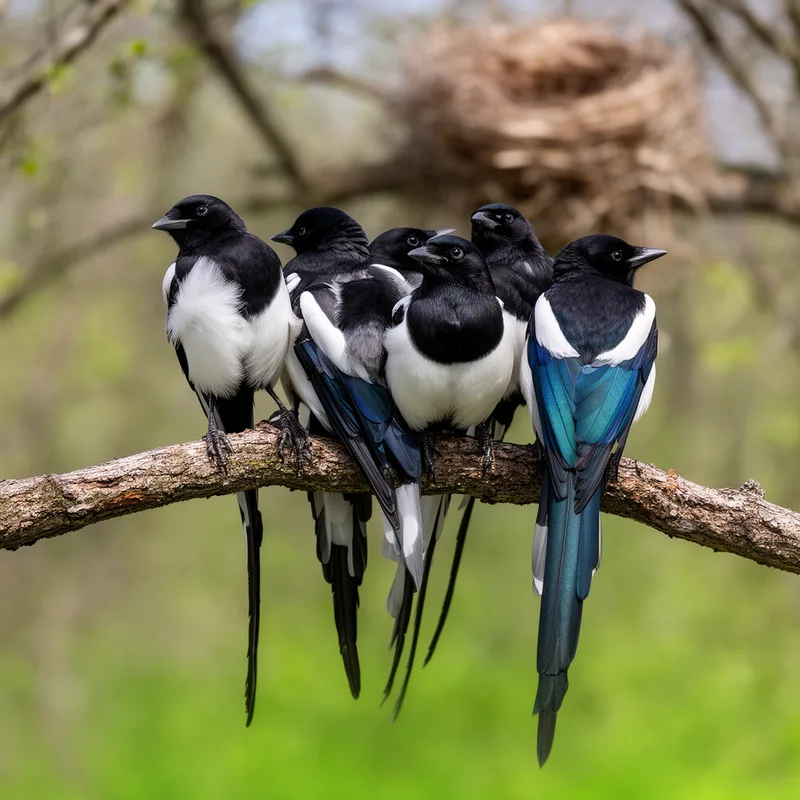
genus Pica
- noun
- /ˈdʒɛnəs ˈpaɪkə/
- Specialized
- Members of the genus Pica are known for their distinctive black and white feathers.
Examples
-
The genus Pica includes several types of true magpies found in Europe and Asia.
-
The genus Pica is recognized for its long tails and intelligent foraging habits.
-
Scientists studied the nesting habits of birds in the genus Pica.
-
The genus Pica includes several species of magpies.
-
Did you know that genus Pica contains the Eurasian magpie?
-
Birdwatchers often spot members of the genus Pica for their striking black-and-white plumage.
-
Researchers are fascinated by the behaviors of the genus Pica, especially the Eurasian magpie.
Surface Forms
Morphology
genus + Pica
This is compositionally transparent: 'genus' names a biological rank and 'Pica' functions as the proper name of that rank, so a learner who knows those constituents will understand it denotes the taxonomic group called Pica. The phrase follows a standard cross-linguistic naming pattern (rank + name), so while a B1 learner might not know which species belong to Pica, they will grasp that it is a genus of organisms.
Etymology
Genus Pica comes from the old Latin word pica, which meant the bird called a 'magpie'. Scientists used genus plus that old name to label the group of long-tailed, black-and-white magpie species, so today genus Pica means that scientific group.

