
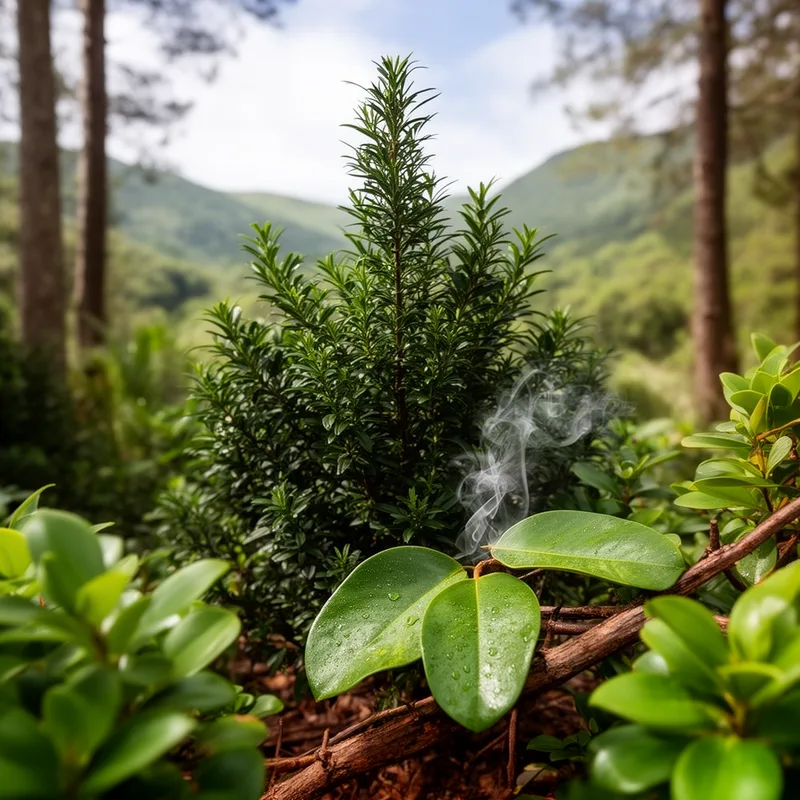
genus Myrsine
- noun
- /ˈdʒɛnəs ˈmɪrsaɪn/
- Specialized
- Botanists have discovered a new shrub in the genus Myrsine in New Zealand.
Examples
-
The genus Myrsine includes many species with glossy, aromatic leaves.
-
The genus Myrsine includes several species of evergreen shrubs.
-
Members of the genus Myrsine are commonly found in subtropical forests.
-
Many plants in the genus Myrsine have aromatic leaves.
-
Members of the genus Myrsine are commonly found in subtropical forests.
-
Many plants in the genus Myrsine have aromatic leaves.
-
The genus Myrsine includes many species with glossy, aromatic leaves.
Synonyms

A group of evergreen trees and shrubs with fragrant leaves often grown in warm gardens
Surface Forms
Morphology
The phrase is a straightforward composition of 'genus' (a biological rank) and 'Myrsine' (the name of a group of evergreen plants), so its meaning — the genus called Myrsine — is directly derivable from the parts. This taxonomic pattern (rank + taxon name) is cross-linguistically regular, so a B1 learner who knows both constituents would understand the MWE, despite its technical register.
Etymology
Genus Myrsine comes from an old Greek word 'myrsínē' for the myrtle plant, and one old story says a girl named Myrsine was turned into a myrtle tree. Because of that word and story, plant experts used Myrsine as the name for a group of evergreen shrubs and trees, so the name now refers to those plants.

