
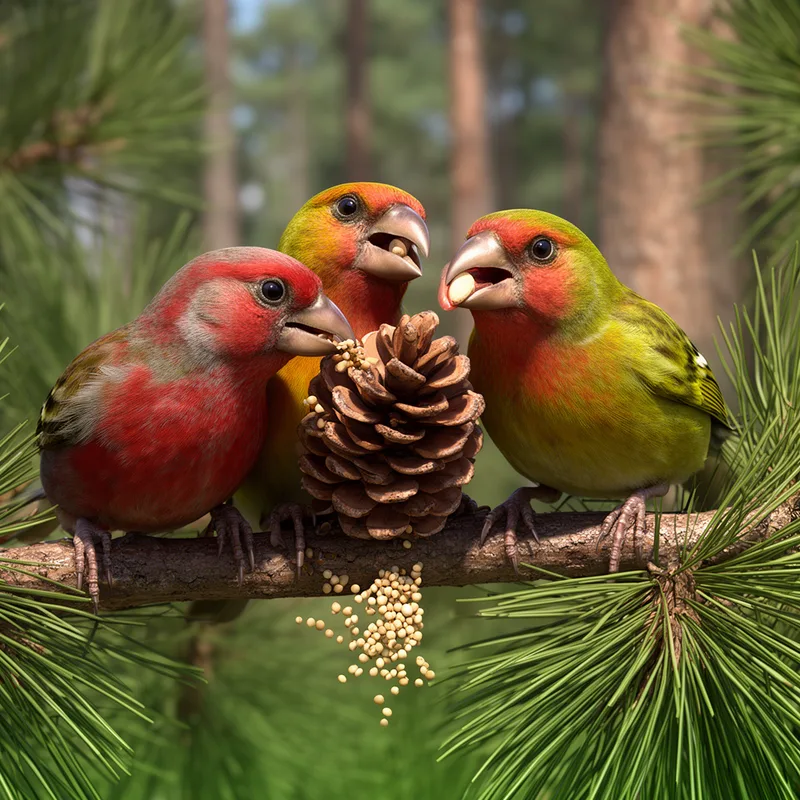
genus Loxia
- noun
- /ˈdʒɛnəs ˈlɒksɪə/
- Specialized
- The genus Loxia includes several species of crossbills with specialized beaks for feeding on conifer seeds.
Examples
-
Many birdwatchers are fascinated by the unique bill shape of birds from the genus Loxia.
-
Studies of the genus Loxia help scientists understand adaptation to specific food sources.
-
The genus Loxia includes several species of crossbills.
-
Birdwatchers often seek out the genus Loxia during their trips.
-
Birdwatchers are particularly excited to spot any species of the genus Loxia due to their unique feeding habits.
-
The genus Loxia is known for its members' extraordinary adaptations, allowing them to thrive on conifer seeds.
-
Researchers studying the genus Loxia are discovering new insights into the evolution of finches.
Synonyms
A small bird with a crossed beak that takes seeds from pine cones
Surface Forms
Morphology
The phrase combines the common noun 'genus' (a taxonomic group) with the taxon name 'Loxia' (a group of crossbill birds), so its meaning — the genus consisting of Loxia species — follows directly from the constituents. This is a straightforward compositional naming pattern found in scientific terminology and would be understandable to a B1 learner who knows both words.
Etymology
The name genus Loxia comes from an old Greek word Loxia meaning 'slanted' or 'crooked' because these finches have beaks that cross over each other. So the name points to their 'crossbill' shape and helps you remember this group of birds.

