
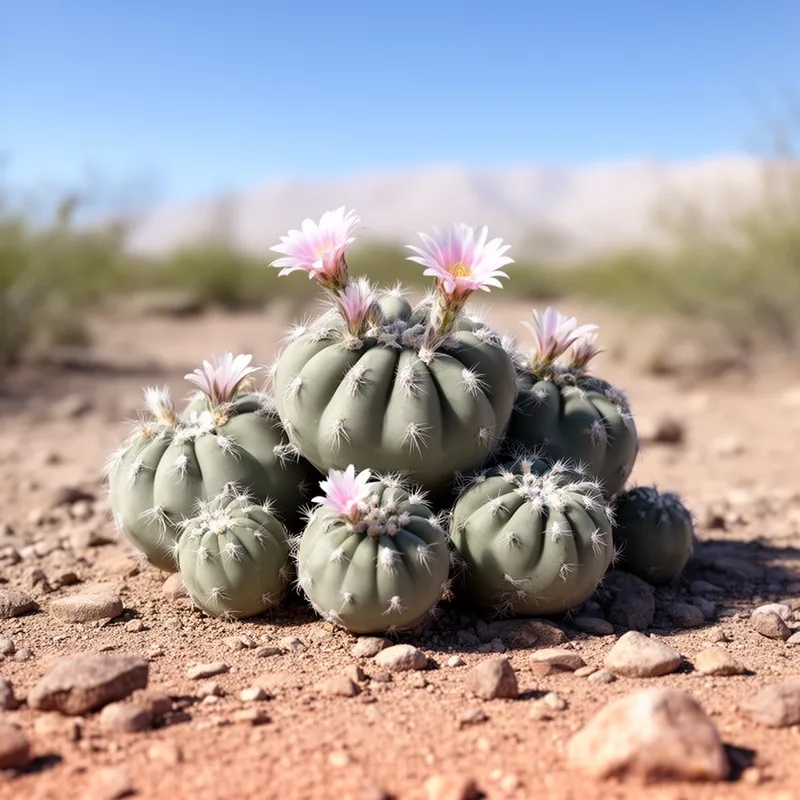
genus Lophophora
- noun
- /ˈdʒɛnəs lɒfəˈfɔːrə/
- NSFW
- The genus Lophophora includes the well-known peyote cactus, used in traditional rituals.
Examples
-
Conservation efforts focus on protecting wild populations of the genus Lophophora in their native habitat.
-
Researchers discovered a new property in the alkaloids produced by members of the genus Lophophora.
-
The genus Lophophora includes the famous peyote cactus.
-
Many botanists study the genus Lophophora for its unique properties.
-
Conservation efforts focus on protecting wild populations of the genus Lophophora in their native habitat.
-
The genus Lophophora includes the well-known peyote cactus, used in traditional rituals.
-
Researchers discovered a new property in the alkaloids produced by members of the genus Lophophora.
Synonyms

A group of small spineless cactus plants from Mexico and the US, including peyote used in traditional ceremonies
Surface Forms
Morphology
This phrase is fully compositional: a B1 learner who knows 'genus' (a biological rank) and the plant name 'Lophophora' will readily understand it refers to the taxonomic group containing those cacti. The construction follows a transparent, cross-linguistic noun + proper-name pattern used in biology, so the meaning is derivable from its parts.
Etymology
Genus Lophophora comes from old Greek words lophos and phoros, where lophos means 'crest' and phoros means 'bearing'. The name refers to the cactus's small rounded body with little crest-like bumps, so that is why scientists use it for this group of cacti, including peyote.

