

genus Haematoxylon
- noun
- /ˈdʒɛnəs hiːməˈtɒksɪlən/
- Specialized
- The genus Haematoxylon includes several species valued for their dye-producing wood.
Examples
-
One plant in the genus Haematoxylon is widely used for its medicinal properties.
-
Botanists have long studied the unique characteristics of the genus Haematoxylon.
-
The genus Haematoxylon includes several species of trees.
-
Did you know that genus Haematoxylon is used for its dye?
-
The genus Haematoxylon is known for the durable and useful wood it produces.
-
Many researchers are focused on the genus Haematoxylon for its ecological importance in tropical America.
-
Plants belonging to the genus Haematoxylon are often found in regions with rich biodiversity.
Synonyms
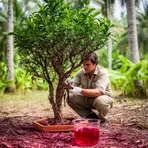
A small thorny tree or bush from tropical America that gives a red dye
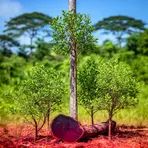
A small group of tropical American shrubs and trees like the logwood tree
Surface Forms
Morphology
The phrase is a straightforward noun phrase combining the taxonomic head 'genus' (a rank grouping related species) with the name 'Haematoxylon' (a group of bushy plants). Because the meaning is the compositional sum of its parts and follows standard biological naming conventions found across languages, a learner who knows both constituents would readily understand it.
Etymology
Genus Haematoxylon comes from old Greek words haima ('blood') and xylon ('wood') because the plant's inner wood makes a deep red dye like 'blood'. That's why the name means 'blood wood' and helps you remember these dye-producing shrubs.

