
genus Crassostrea
- noun
- /ˈdʒɛnəs kræˈsɒstriə/
- Specialized
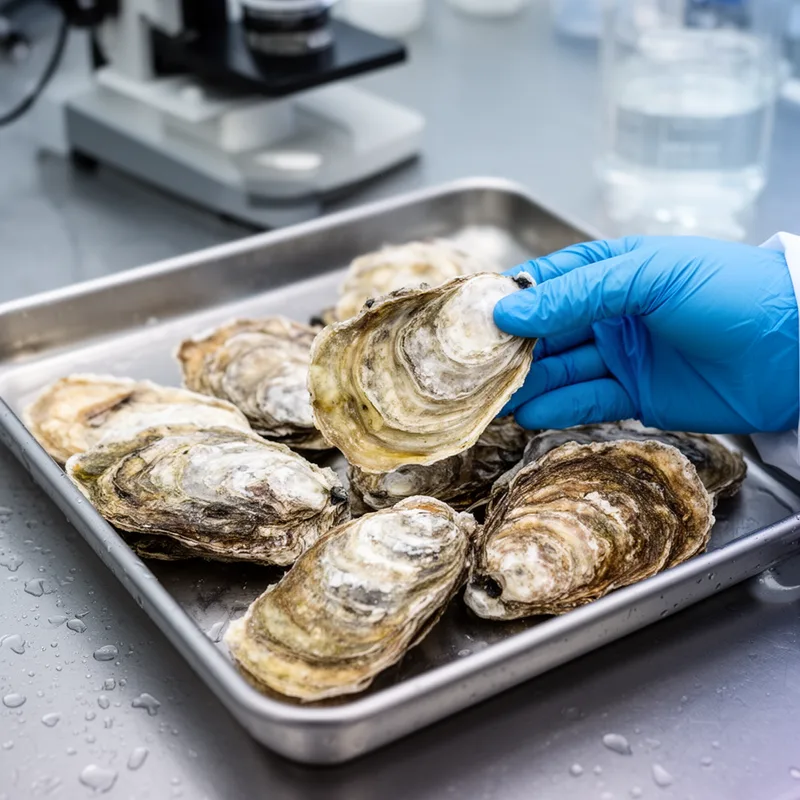
- The Virginia oyster, a member of the genus Crassostrea, is native to the Atlantic coast of North America.
Examples
-
The genus Crassostrea includes several commercially important oyster species used in aquaculture.
-
Marine biologists study the genus Crassostrea to understand oyster growth and habitat.
-
The genus Crassostrea includes several important oyster species.
-
Many scientists study the genus Crassostrea for its ecological impact.
-
Marine biologists study the genus Crassostrea to understand the growth and habitat of different oyster species.
-
The genus Crassostrea includes several commercially important species of oysters, such as the Virginia oyster.
-
Scientists examine the genus Crassostrea to learn about its role in aquaculture and marine ecosystems.
Synonyms


 1
9.9
A group of oysters that includes species people eat, for example the eastern oyster
Surface Forms
Morphology
The phrase is directly compositional: 'genus' denotes a biological rank grouping related species and 'Crassostrea' is the specific taxonomic name, so a learner who knows both constituents will understand it refers to the taxonomic group of oysters called Crassostrea. This naming pattern is standard in scientific nomenclature and is cross-linguistically common, making the meaning transparent rather than idiomatic.
Etymology
Genus Crassostrea comes from Latin words crassus meaning 'thick' and ostrea meaning 'oyster'. This 'thick oyster' picture helped naturalists name a group of related oyster species, so today it means a genus of oysters important in sea farming and the study of the sea.