

genus Carpinus
- noun
- /ˈdʒɛnəs ˈkɑːrpɪnəs/
- Specialized
- The genus Carpinus includes trees commonly known as hornbeams, which are valued for their hard wood.
Examples
-
There are many species within the genus Carpinus that are cultivated for their attractive foliage.
-
The genus Carpinus includes several species of hornbeam trees.
-
Botanists often debate the classification of the genus Carpinus within plant families.
-
Many gardeners appreciate the beauty of genus Carpinus.
-
The genus Carpinus consists of trees that are popular in landscaping due to their unique shape.
-
Within the genus Carpinus, there are various species known for their resilience to urban environments.
-
Scientists study the genus Carpinus to understand its role in temperate forest ecosystems.
Synonyms
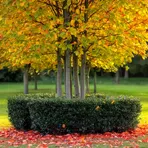
A group of trees and bushes called hornbeams that lose their leaves in autumn and grow in mild climates
Surface Forms
Morphology
The phrase simply names a taxonomic group and is transparently built from 'genus' (a biological rank) + 'Carpinus' (the proper name of that genus), so its meaning — the genus called Carpinus — is directly derivable from the parts. This follows standard scientific naming/compositional patterns found across languages, so a B1 learner who knows both constituents would understand it.
Etymology
Genus Carpinus comes from the old Latin name for the hornbeam tree. Think horn + beam: people used 'horn' to say the wood was very hard like a horn and 'beam' was an old word for 'tree', so the name helps you remember these are tough, hard-wood trees.

