
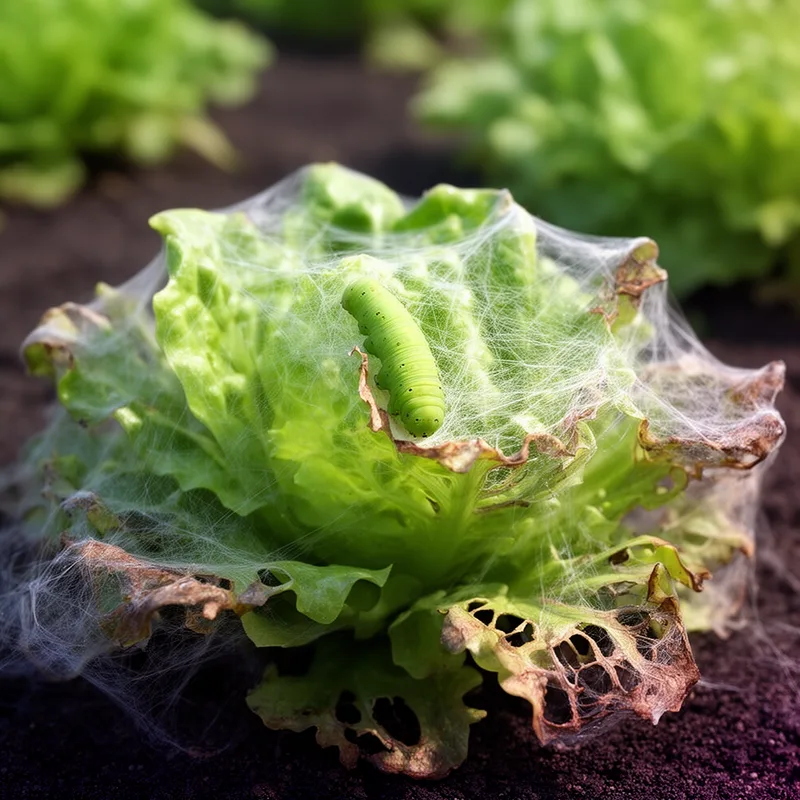
garden webworm
- noun
- /ˈɡɑrdən ˈwɛbˌwɜrm/
- Specialized
- The garden webworm can quickly defoliate vegetable plants if not controlled.
Examples
-
Farmers use natural predators to keep the garden webworm population in check.
-
The garden webworm is damaging my tomato plants.
-
A severe infestation of garden webworm was found on the lettuce crops this summer.
-
Many garden webworms have infested the flower beds.
-
A severe infestation of garden webworm was found on the lettuce crops this summer.
-
The garden webworm can quickly defoliate vegetable plants if not controlled.
-
Farmers use natural predators to keep the garden webworm population in check.
Synonyms

A small moth whose caterpillars eat garden plants and can damage them
A caterpillar that spins silk webs over leaves while eating them
A small insect whose caterpillars make webs on plants and live inside them while eating leaves
A small moth that makes silk shelters on plants to live and protect its eggs
Surface Forms
Morphology
The compound is directly compositional: 'garden' specifies location/host and 'webworm' denotes a caterpillar that makes webs, so a learner who knows both words can infer this refers to a webworm found in gardens and damaging plants. This follows a common noun+noun compounding pattern that is cross-linguistically transparent and predictable for B1 learners.
Etymology
Garden webworm gets its name from tiny caterpillars that live on garden plants and spin thin webs, and people called them worms because of their long, soft bodies. So, garden webworm means a small caterpillar that makes webs on plants and is a 'pest'.

