
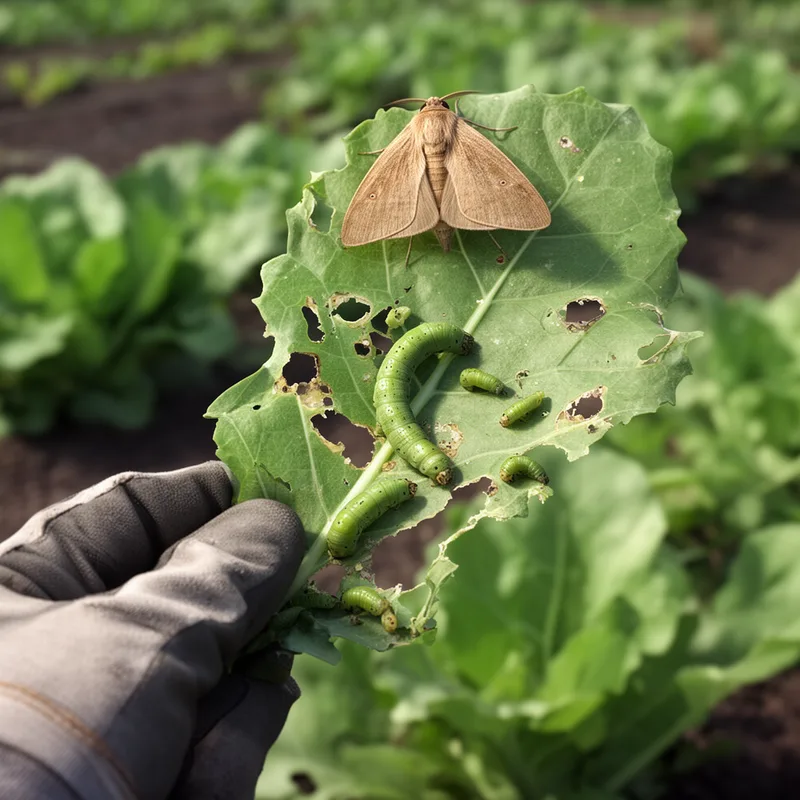
Loxostege similalis
- noun
- Specialized
- The adult Loxostege similalis moth is rarely seen, but its larvae are common in gardens.
Examples
-
The larvae of Loxostege similalis can cause significant damage to vegetable crops.
-
Gardeners often look for signs of Loxostege similalis when protecting their plants from pests.
-
The Loxostege similalis is known for damaging garden plants.
-
Have you seen a Loxostege similalis in your garden?
-
Many gardeners are frustrated by the presence of Loxostege similalis larvae, which can quickly ruin their flowers.
-
To prevent infestations of Loxostege similalis, it is important to monitor your vegetable garden regularly.
-
The species Loxostege similalis is considered a pest because its larvae feed on valuable garden plants.
Synonyms

A caterpillar that spins webs on garden plants and eats their leaves
Surface Forms
Morphology
Loxostege + similalis
The phrase follows a taxonomic binomial pattern (genus + specific epithet), so a learner who knows 'Loxostege' as a genus of moths can transparently infer that Loxostege similalis is a species within that genus. However, the specific epithet 'similalis' has no clear lexical meaning and the precise sense (e.g. that its larvae damage garden plants) is not derivable from the parts, making the overall meaning only partially predictable.
Etymology
Loxostege similalis may come from older Greek and Latin words that describe how the moth looks. The part Loxostege may suggest a slanted or covered wing and similalis means 'similar', so the name points to a moth whose wings or pattern look like those of a close species.

