
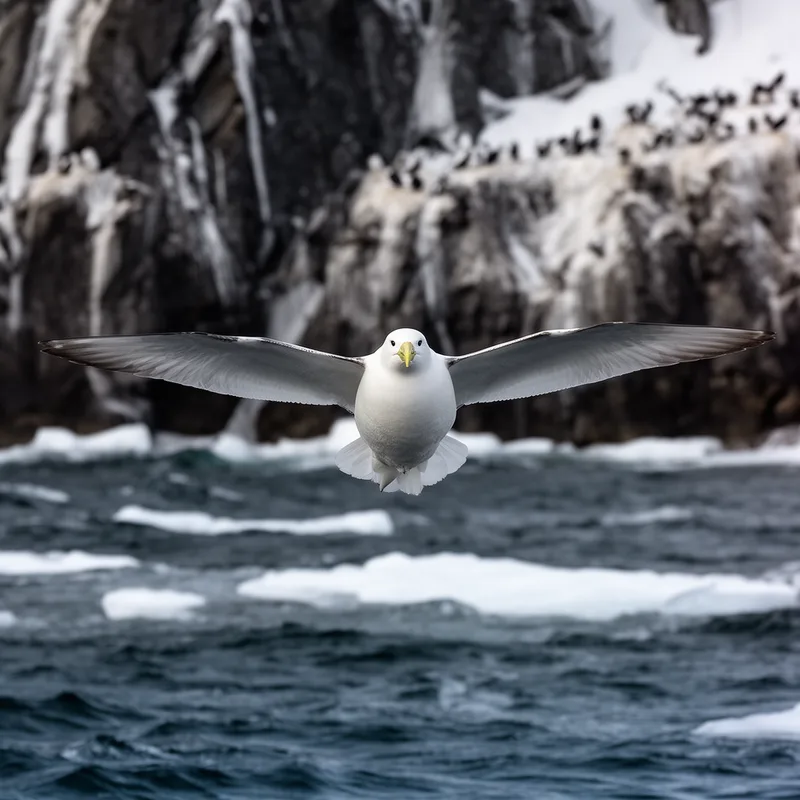
fulmar
- noun
- /ˈfʌlmər/
- Before 1900, the Faeroese, like many northern coastal peoples, relied on the sea for the greater part of their diet: fish, seabirds such as puffins and fulmars, and marine mammals were the main sources of protein.
Examples
-
"The large amount of plastic ingested by fulmars from the eastern North Pacific is approaching the high levels that have been documented previously in the historically polluted North Sea, where fulmars have been used as an indicator species of ocean health for decades...
Blog text (30) -
"The large amount of plastic ingested by fulmars from the eastern North Pacific is approaching the high levels that have been documented previously in the historically polluted North Sea, where fulmars have been used as an indicator species of ocean health for decades...
Blog text (30) -
On Norway's Svalbard Islands, fulmars often feed by snatching prey from the water's surface.
-
Studies have shown that fulmars are particularly affected by plastic pollution in their feeding grounds.
-
Before 1900, the diet of coastal peoples in the Faroe Islands included seabirds such as fulmars along with fish and marine mammals.
Synonyms

 1
9.6
1
9.6

A small sea bird with long wings that flies far from land
A heavy sea bird with a short tail that lives in cold northern oceans

A large seabird with a short tail that glides over cold oceans
Compounds
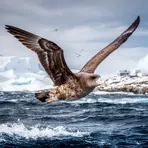
Surface Forms
Etymology
Fulmar comes from Old Norse parts fúll and már, which mean 'foul' and 'gull'. The bird was called a 'foul gull' because it defends itself by spitting a stinky oil at enemies, so the old name fits this sea bird.