

fugaciousness
- noun
- /fjuˈɡeɪʃəsnəs/
- Specialized
- The fugaciousness of certain flowers means they bloom and fade within a single day.
Examples
-
In spring, the fugaciousness of cherry blossoms captivates many visitors.
-
Botanists note the fugaciousness of petals that drop quickly after blossoming.
-
The fugaciousness of those blossoms makes their brief appearance all the more cherished.
-
The fugaciousness of the flowers made them even more beautiful.
-
The fugaciousness of the cherry blossoms astounds tourists who visit the park every year.
-
Many gardeners appreciate the fugaciousness of annual flowers that bring vibrant color before fading.
-
The fugaciousness of the plant's life cycle highlights the beauty of seasonal changes in nature.
Synonyms

 1
8.2
1
8.2

A short time that passes quickly
 1
8.9
1
8.9
A state of lasting only a short time, like a rainbow
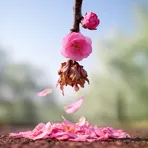
A short life or existence of things like flowers

A state of lasting only a short time and hard to hold

The state of lasting only a short time
Antonyms


How Fleeting
- Archaic
 1
8.2
1
8.2
- Specialized
1
8.9
2
8.1
Surface Forms
Morphology
Etymology
Fugaciousness comes from the Latin root fugac- and the verb fugere, meaning 'to flee', and it shares the same root as fugitive and the simple verb 'flee'. So, fugaciousness describes something 'short-lived' or quick to disappear, like flower petals that fall soon after they open.