
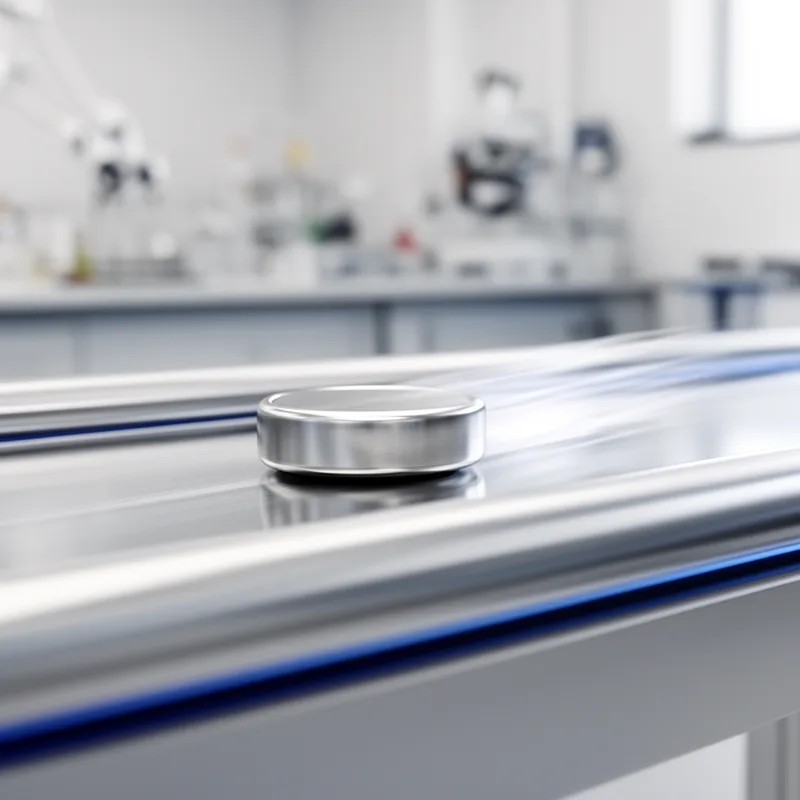
frictionless
 5
5.8
5
5.8

- adjective
- /ˈfrɪkʃənləs/
- Using this simple method, I am hoping to make the recording process as frictionless as possible.
- frictionless surface
- frictionless plane
- rigid frictionless
Loading YouTube…
Watch on YouTubeIs it a function of frictionless communication?
- Is it a function of frictionless communication?
- And then it gets you in a very reliable, very convenient, frictionless way to where you want to be.
- And they want you to have a polished, smooth, frictionless delivery of your every delight on demand.
- It seems to me like the trend is going from more sophisticated to easier and more frictionless.
- They're going to want the new frictionless currency that's going to be open and transparent and global because the world's going to be global.
- This, this is very difficult to find that frictionless security.
- The access, the access this and the dumb simple frictionless access.
- And I guess at least what I see with you and Calvin is something that's not too dissimilar where it seems pretty frictionless, transparent.
Examples
-
In physics class, we learned about the movement of objects on a frictionless plane.
-
And I set it down in the frictionless table and let it go.
-
One of the tests involves the movement of a box of mass on a frictionless surface.
Academic text (2011) -
And then it gets you in a very reliable, very convenient, frictionless way to where you want to be.
-
The reason a plane has wheels is to create what amounts to a frictionless takeoff surface.
Blog text (21) -
Some serious rowing enthusiasts mount their machines on nearly frictionless sliding rails.
Blog text (14) -
Smooth, quiet, frictionless operation. Torque ratings from .72 to 578 lb-ft.
Academic text (1997) -
The ball rolled across the frictionless surface without slowing down.
-
A frictionless surface allows for smooth motion, making it easier to slide heavy objects.
Synonyms
 1
4.4
1
4.4
A surface or thing that is smooth and slippery and lets things slide easily
Antonyms
How Slippery

Surface Forms
Morphology
Etymology
Frictionless comes from the word friction, which comes from the Latin fricare meaning 'to rub', plus the ending -less meaning 'without'. So frictionless literally means 'without rubbing', which helps explain why it describes a surface or situation that lets something move easily.