
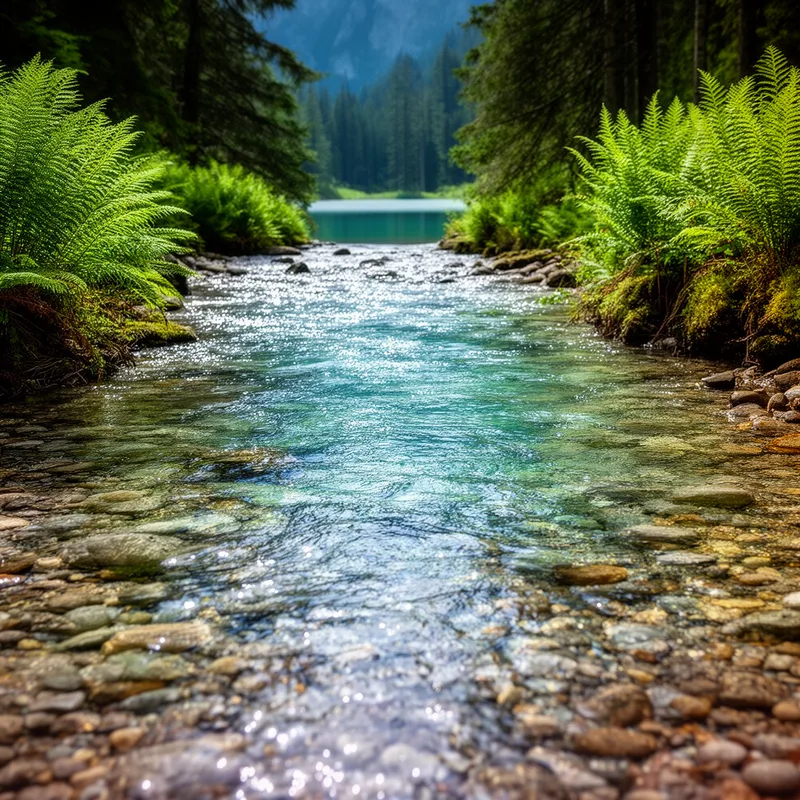
fresh water
 41
1.0
41
1.0

- noun
- /frɛʃ ˈwɔtər/
- Despite the heat and lack of fresh water, many animals manage to survive, and some even thrive.
- fresh water supply
- access to fresh water
- consumption of fresh water
Loading YouTube…
Watch on YouTubeAnd so we had hints that that all this fresh water was starting to weaken things.
- And so we had hints that that all this fresh water was starting to weaken things.
- And I had not fully appreciated how much rarer potable fresh water is becoming on Earth.
- Super South Florida, and I don't even know if we're in salt or fresh water.
- To everyone, Hello Tushy cleans your butt with a precise stream of fresh water.
- That's how you get your fresh water and go boil it for your cooking and washing clothes.
- And there and there'll be future fights on access to this one source of fresh water.
- They say the destabilizing impacts of climate change is that the reduced access to fresh water, it's becoming a scarce commodity on this planet.
- As icebergs float through water, even really icy water, they are always melting at least a little bit, creating a pool of fresh water that surrounds the iceberg.
Examples
-
Will we run out of fresh water in the 21st century?
Academic text (2008) -
The village relies on nearby lakes for their fresh water supply.
-
If you break that down, how many people need fresh water every day?
-
And he said to them, I understand the men are not able to have fresh water and cold water.
-
I'll get you some fresh water, miss.
-
The site for the new town is close to a good supply of clean fresh water, leading to an excellent landing beach.
-
We have 30 tons of fresh water on board.
-
Table 2 shows the fresh water withdrawn per year from the world and selected countries.
Academic text (2000) -
We came across a stream of fresh water, the first we'd found in the tunnels.
Fiction book (1991) -
The river constitutes a main source of fresh water for both Israel and Lebanon.
Academic text (1993)
Synonyms
 33
1.6
33
1.6
Water that is not salty, found in lakes or rivers and used for drinking
Fresh water that is not salty, found in rivers and lakes
Antonyms

How Salty

Surface Forms
Morphology
The meaning 'water that is not salty' is directly and transparently derived from combining 'fresh' (non-saline/not from the sea or recently renewed) with 'water'. This simple adjective + noun compositional pattern is cross-linguistically common and follows standard semantics, so a B1 learner who knows both constituents will readily understand it.
Etymology
The noun fresh water comes from the simple image of fresh water — water that is 'not salty', like the clear water from a spring or river. People, especially sailors and travellers, called this 'not salty' water 'fresh water' because it was good and 'safe to drink', so today the phrase means the water found in rivers, lakes, and springs rather than the sea.