

fractional distillation
- noun
- /ˈfrækʃənl dɪsˌtɪlˈeɪʃən/
- Specialized
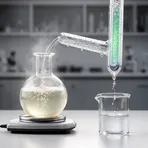
- During the fractional distillation process, the different mixtures vaporize at various temperatures, enabling their separation.
Examples
-
It is obtained by liquefaction of air and separated from the other gases by fractional distillation.
-
And that is just one of the many, many properties discovered from the substances which are extracted from the fractional distillation of coal tar.
-
The oil company employed fractional distillation to refine crude oil into usable fuels like gasoline and diesel.
Synonyms
 1
5.9
1
5.9

Heating a liquid to make steam and cooling the steam to get pure liquid
 1
9.3
1
9.3
To separate a mixture into parts using heat or chemicals

A method that heats a mixture to separate parts by their boiling points

To purify a liquid by boiling it and collecting the steam that turns back into liquid
Surface Forms
Morphology
The compound is a straightforward modifier+noun composition: 'distillation' (the process of vaporizing and condensing a liquid) qualified by 'fractional' (relating to fractions or parts), so it literally denotes a distillation that separates into parts. This compositional pattern is common and cross-linguistically similar, so a B1 learner who knows both words would be able to infer the general meaning (even if they lack technical details).
Etymology
Fractional distillation gets its name from its parts: fractional meaning small 'fractions' or parts and distillation meaning heating to make steam and catch it. Imagine boiling a liquid mix so different parts turn to steam at different times and are collected one by one as separate 'fractions'. That's why fractional distillation means 'separating a liquid mixture into parts by heating'.