
forager
 4
5.3
4
5.3

- noun
- /ˈfɔrɪdʒər/
- Ironically, abundant fish sources may mean that some riverine Sepik groups are more successful foragers than their upland cousins.
- foragers and farmers
- Mikea foragers
- Indian foragers
Loading YouTube…
Watch on YouTubeWe start out as hunter foragers, then we become agriculturalists.
- We start out as hunter foragers, then we become agriculturalists.
- So an Ant has some rule like I'm a forager and I'll go out on my next trip if I meet enough ants coming in with food.
Examples
-
Soldiers guard the nest while foragers set off to find tender foliage.
-
While foragers, such as you, just walk around and pick up sticks.
-
Most human history involved foragers, and so they are particularly relevant.
Academic text (2003) -
And so in fact, in the typical forager hunter gatherer group, it was a very high degree of sharing and help.
-
To cool the nest further, foragers collect water and distribute it among the workers.
Academic text (1990) -
We start out as hunter foragers, then we become agriculturalists.
-
They move out and these foragers are responding to the scouts.
-
The female lemur is a better jumper and more efficient forager than her male counterpart.
-
Older foragers no longer produce jelly, but often beg for and receive small doses from younger nurse bees.
Academic text (2018) -
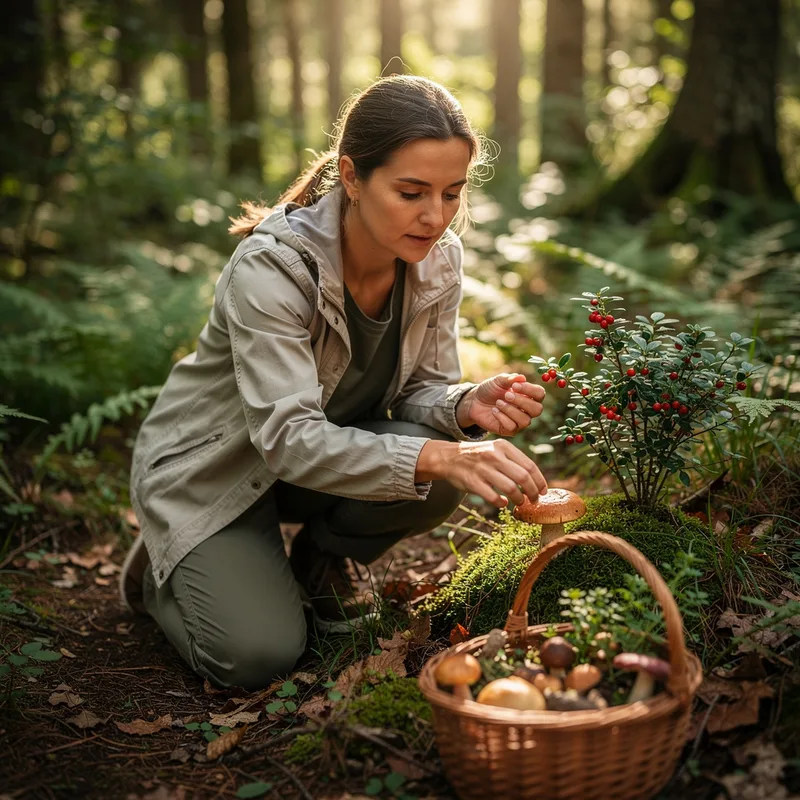
As a skilled forager, she knew how to find edible mushrooms in the forest.
How Thorough

Surface Forms
Morphology
Etymology
Forager comes from forage, a word that first meant 'fodder' or food for animals and later came to mean 'search for food'. So a forager is a person or animal who goes out to look for food, often in the wild.