

scavenger
 19
4.1
19
4.1

- noun
- /ˈskævɪndʒər/
- Both isopods and amphipods are mainly scavengers, which means they eat dead animal and plant material.
- vertebrate scavengers
- obligate scavenger
- food for scavengers
Loading YouTube…
Watch on YouTubeAs a, you know, kind of scavenger beetle would.
- As a, you know, kind of scavenger beetle would.
- And they had the certain kind of bird of prey called a, it's a scavenger really, called a kite.
- But but can you say that maybe the water will disguise the smell to dissuade other predators or scavengers from finding their food?
- And without that animal, without dogs doing that animal protecting our crops from, from, you know, scavengers and stuff like that, you know, the list goes on.
Examples
-
Scientists have to start early every morning to beat scavengers to carcasses.
Academic text (2008) -
The eagle is a scavenger, a thief and a coward.
-
The scent would scare off scavengers and protect their dead.
Fiction book (2002) -
There are scavenger beetles that pick the skin and flesh off of bones and museums.
-
Procompsognathus was so small and light we assume it must be a scavenger, only feeding off dead creatures.
Fiction book (1990) -
Sharks are scavengers.
-
The Spotted Hyena is reputed to be a scavenger and actually feeds on carrion, subsisting largely on lion kills.
Academic text (2005) -
Vultures are often seen soaring overhead, waiting for the chance to scavenge on the remains of dead animals.
-
The hyena is a well-known scavenger, often finding food from the carcasses left by other predators.
-
In the forest, many scavengers like raccoons search for decaying fruits and other organic matter to eat.
Compounds
- Specialized

 1
5.8
1
5.8
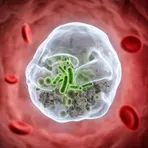
A tiny part of the body that eats dead tissue and germs to help fight infection
How Thorough

Surface Forms
Morphology
Etymology
Scavenger comes from the old word scavenge, which meant 'to clear away' or 'to search through rubbish'. That's why we also call animals like vultures 'scavengers' — they eat dead animals left by others.