
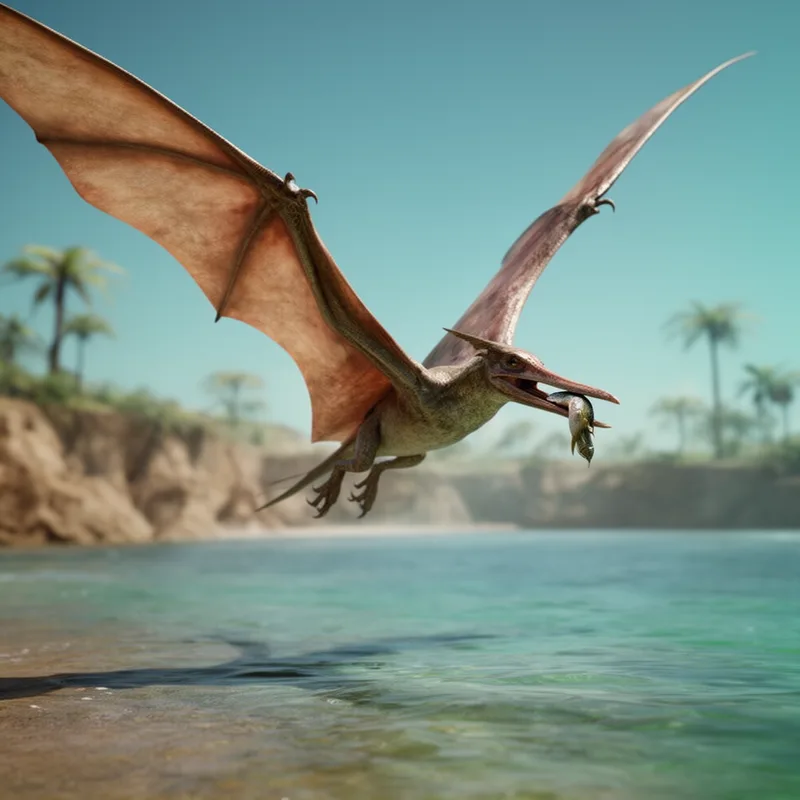
flying reptile


 1
8.5
1
8.5
- noun
- /ˈflaɪɪŋ rɪˈptaɪl/
- Many scientists believe that flying reptiles had specialized wing structures that allowed them to glide efficiently.
Examples
-
During the late Cretaceous period, enormous flying reptiles known as pterosaurs soared through the skies.
-
So here we have a chain of three neck vertebrae from a large pterosaur flying reptile found, I think this one's in North Africa.
-
Pterodactyls, an example of flying reptiles, had long beaks and large wings that enabled them to hunt for fish.
Synonyms
 43
9.7
43
9.7
A flying reptile from long ago with a long thin head and short tail
 5
9.9
5
9.9
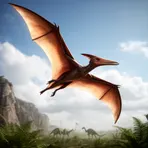
A flying reptile that lived in the time of the dinosaurs with thin skin wings like a bat
 1
9.9
1
9.9
A large extinct flying reptile with a long toothless beak and very large wings

Extinct flying reptiles that lived during the age of dinosaurs
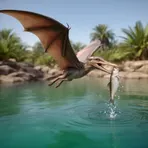
A small extinct flying reptile from the Jurassic with a long beak and wings that ate fish
Surface Forms
Morphology
The phrase 'flying reptile' is compositionally built from 'flying' (moving through the air) and 'reptile' (cold-blooded vertebrate), so its meaning — a reptile that flies — is directly derivable from the constituents. This is a straightforward, cross-linguistically common noun + modifier pattern that a B1 learner who knows both words would readily understand.
Etymology
Flying reptile is a simple name made from the words flying and reptile: early scientists found fossils of reptiles with thin-skin wings like a bat, stretched along a very long finger, so they were literally reptiles that could fly. That's why 'flying reptile' today means the extinct animals with bat-like wings.