

flannel mullein
- noun
- Specialized
- Ancient Greeks once used flannel mullein dipped in tallow as torches for ceremonies.
Examples
-
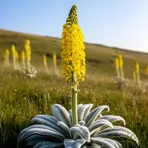
The flannel mullein stood out in the field with its tall, woolly stalks topped with yellow blossoms.
-
Gardeners sometimes plant flannel mullein for its attractive flowers and drought resistance.
-
The flannel mullein grows tall in the meadow.
-
Have you seen a flannel mullein before?
-
In ancient times, people used flannel mullein to create torches for their ceremonies.
-
The tall spikes of yellow flowers on the flannel mullein attract many pollinators.
-
During summer, the flannel mullein blossoms add vibrant colors to the landscape.
Synonyms


 1
9.9
1
9.9
A tall plant with soft, woolly leaves and spikes of yellow flowers

A tall plant with soft, hairy leaves and long spikes of yellow flowers
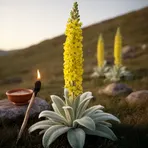
A tall plant with soft woolly leaves and spikes of yellow flowers used long ago as torches
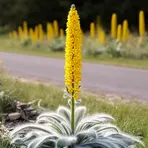
A tall plant with hairy leaves and tall spikes of yellow flowers
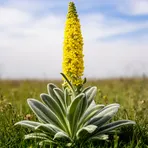
A tall plant with soft woolly leaves and yellow flower spikes
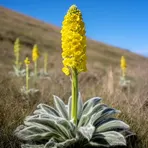
A tall plant with soft hairy leaves and bright yellow flowers
How Tall

Surface Forms
Morphology
This is a straightforward noun + noun composition: 'flannel' describes a soft, woolly texture and 'mullein' names the plant, so a learner who knows both constituents can infer it is a mullein with flannel-like (woolly) qualities. The historical note about torch use is encyclopedic but the core referent (a woolly/tomentose mullein) is transparently built from the parts.
Etymology
Flannel mullein gets its name because its leaves are soft like flannel, meaning 'soft cloth', and the plant mullein has tall, dry stalks that people once dipped in fat and used as 'torches'. So today flannel mullein names the tall, woolly plant with yellow flowers, and that image helps remember both its soft leaves and its old torch use.