

field corn


 1
4.2
1
4.2
- noun
- /fiːld kɔrn/
- Specialized
- During the harvest season, the trucks are filled with field corn ready for transport to the processing plant.
- growing field corn
Examples
-
Many livestock farmers rely on field corn due to its high yield and nutritional value for animals.
-
Different types of fillers are used, but I chose deer corn, which is also called feed corn or field corn.
Blog text (18) -
The team has learned that many of the same genes the fungus uses to infect field corn are also active in its attacks on sweet corn.
Academic text (2006) -
Farmers in the Midwest primarily grow field corn for animal feed and grain products.
Synonyms
 522
1.0
522
1.0
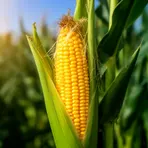
A tall plant with large yellow seeds used for food
 12
1.9
12
1.9
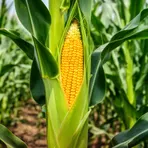
A tall plant that produces small yellow seeds used for food and animal feed
Antonyms
 7
1.1
7
1.1
A type of corn with sweet, tender kernels that people eat as a vegetable when young
How Sweet
- US

- Specialized
1
4.2
Surface Forms
Morphology
The phrase is compositionally transparent: 'field' (a plot of land) modifies 'corn', so a B1 learner who knows both words can infer it refers to corn grown in fields (a type or category of maize). While the specific agricultural/use nuance (grown for feed or processing rather than eaten fresh) may require extra knowledge, the core meaning is directly derivable from the constituents.
Etymology
Field corn comes from the simple idea of field + corn: it is corn grown out in the field and left to dry to make 'animal feed' or other products, not the sweet corn people 'eat' fresh. So the name shows it means the hard, dry corn used for animals and industry today.