

field-sequential color television
- noun
- Archaic
- Technicians explained how field-sequential color television relied on spinning color filters to create images.
Examples
-
The museum displayed an original field-sequential color television prototype from the 1940s.
-
CBS developed the field-sequential color television system before the standardization of the NTSC format.
-
The field-sequential color television was revolutionary in its time.
-
Many people still remember their first field-sequential color television.
-
In the 1950s, families gathered around their new field-sequential color television to watch their favorite shows.
-
The field-sequential color television was an important technological advancement that paved the way for modern color TVs.
-
At the exhibit, guests marveled at the field-sequential color television that showcased vibrant colors through rapid field scanning.
Synonyms
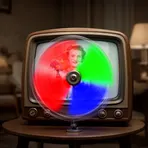
An old way of showing color television by showing red, green, and blue pictures quickly
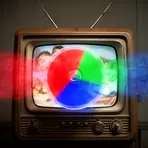
An early television that shows red, green and blue in a quick order to make color images
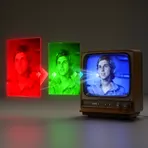
A TV method that sends each picture in red, then green, then blue
Surface Forms
Morphology
field-sequential + color + television
The phrase is compositionally built from understandable parts — "field" + "sequential" + "color" + "television" — so a learner who knows those words can infer it refers to a type of color TV that shows color information by presenting fields one after another. However, the term is technical ("field" has a specific imaging meaning and the exact scanning/technical mechanism is specialized), so the full, precise sense is not fully predictable to an average B1 learner.
Etymology
Field-sequential color television gets its name from how it made pictures: the screen showed red, then green, then blue fields very quickly, so the eye mixed them into full color. So the words field and sequential mean 'showing color parts one after another', which explains this early television way of making color.

