
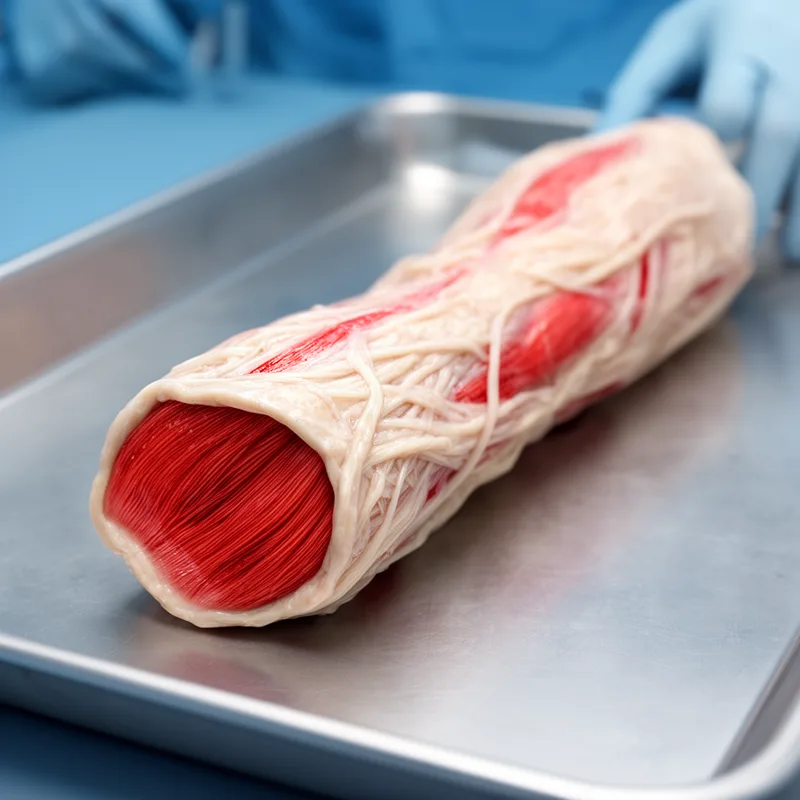
fibromuscular


 1
8.2
- adjective
- /ˌfaɪbroʊˈmʌskjələr/
- Specialized
- Anecdotal evidence and emerging research seem to indicate a genetic predisposition towards fibromuscular dysplasia (FMD), connective tissue diseases, and other syndromes, evidence of which I have seen in my own family.
Examples
-
Fibromuscular dysplasia (FMD) is a noninflammatory, nonatherosclerotic arterial disease that is most commonly seen in women.
Blog text (17) -
Symptoms of fibromuscular changes can be subtle and may require thorough investigation.
-
Peer-to-peer global support for those affected by fibromuscular dysplasia.
Blog text (17) -
I am the only one who has been diagnosed with fibromuscular dysplasia, but I encourage my sisters to have their doctors keep an eye on any symptoms that might suggest this as well.
Blog text (17) -
Stories featured on this site are from selected fibromuscular dysplasia patients and caregivers who have agreed to share their experiences about living with FMD.
Blog text (17) -
FMD Chat is an international nonprofit organization dedicated to supporting those affected by fibromuscular dysplasia, including patients, family members, caregivers, and healthcare professionals.
Blog text (17) -
Risk factors associated with artery dissections (e.g., fibromuscular dysplasia) were present in only 25% of subjects.
Blog text (13) -
Research has shown that fibromuscular disorders can cause serious health issues.
-
The doctor explained that fibromuscular tissues play a crucial role in cardiovascular health.
Surface Forms
Morphology
Etymology
The word fibromuscular combines fibro- and muscular, where fibro- points to 'fiber' and muscular to 'muscle'. So it describes tissue that has both 'fiber' (strong, thread-like) parts and 'muscle' parts, which is why it means 'consisting of or relating to both fibrous and muscular tissue'.