
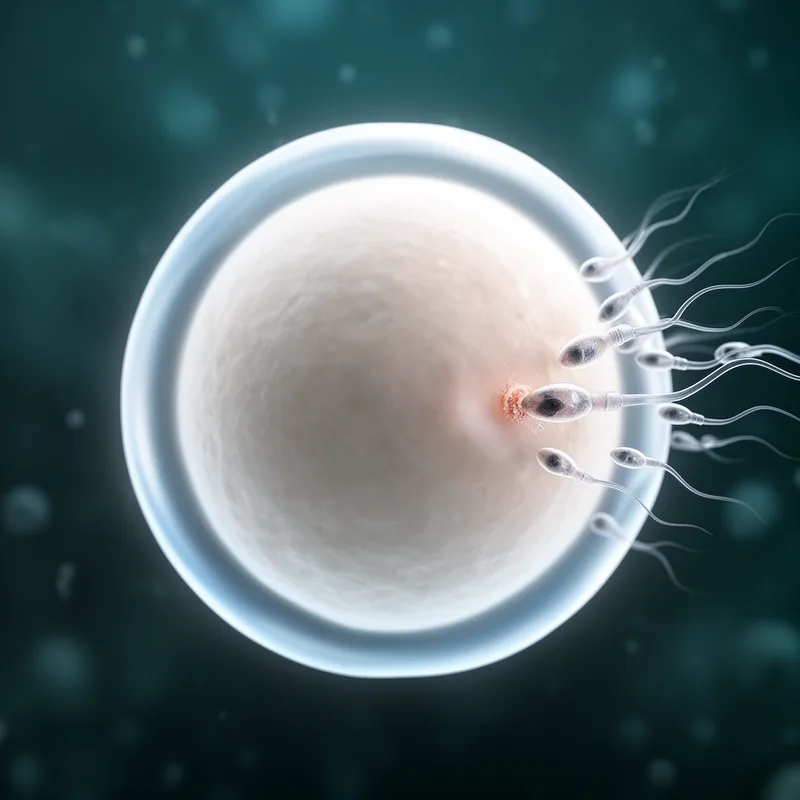
fertilization membrane
- noun
- /ˌfɜːrtɪlaɪˈzeɪʃən ˈmɛmˌbreɪn/
- Specialized
- The fertilization membrane forms rapidly after the sperm enters the egg, ensuring that no other sperm can penetrate.
Examples
-
The development of a fertilization membrane is essential for normal embryonic growth in many animals.
-
The fertilization membrane protects the ovum from multiple sperm.
-
Researchers observed the fertilization membrane thickening shortly after fertilization occurred.
-
After fertilization, a fertilization membrane forms around the egg.
-
After a sperm fertilizes the egg, a fertilization membrane develops to block any additional sperm from entering.
-
The fertilization membrane is crucial as it prevents multiple sperm from fertilizing the same ovum.
-
Once fertilization occurs, the fertilization membrane quickly forms around the ovum to ensure its protection.
Synonyms

A clear thick layer around a mammal's egg that sperm must pass through
Surface Forms
Morphology
This is a straightforward noun–noun compound: combining 'fertilization' (the fusion of egg and sperm) with 'membrane' (a thin layer) yields a membrane associated with fertilization. The meaning (a membrane forming around a fertilized ovum) is directly compositional and follows common cross-linguistic compound logic, so a learner who knows both constituents can infer the MWE's basic sense.
Etymology
Fertilization membrane: The noun fertilization membrane names the thin layer that forms around an egg right after one sperm enters. Think of fertilization as the joining of sperm and egg and of membrane as a thin 'wall' that closes the egg to stop other sperm, which is why the phrase means a layer that prevents additional sperm from entering.

