
ferroelectricity
- noun
- /ˌfɛroʊɪˈlɛktrɪsɪti/
- Specialized
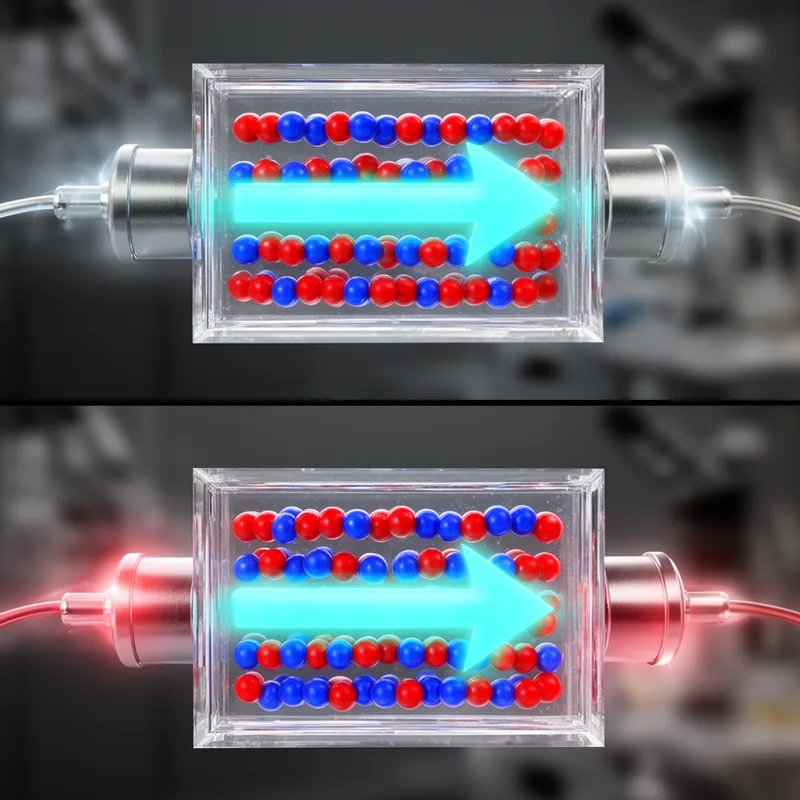
- The phenomenon of ferroelectricity allows certain materials to retain electric polarization without an external force.
Examples
-
Joseph Valasek studied the properties of Rochelle salt and, in 1920, discovered ferroelectricity.
Academic text (2005) -
On another question in solid-state physics, Teller and coworkers Robert Sachs and Russell Lyddane posited a general rule that has broad applications for ferroelectricity and other fields.
Academic text (2004) -
"One of the materials he studied was a "tartrate of soda and potash" -- Rochelle salt -- the same material in which Joseph Valasek discovered ferroelectricity almost exactly a century later.
Academic text (2005) -
Researchers are exploring how to use ferroelectricity in next-generation electronic devices.
-
Understanding ferroelectricity is crucial for developing better sensors and memory devices.
Surface Forms
Morphology
ferroelectricity = ferroelectric (semi-transparent) = ferro + electric + ity
The formation from 'ferroelectric' + '-ity' is regular, but 'ferro-' is a technical combining form (analogy to ferromagnetism) and may not be interpretable by general learners.
Etymology
Ferroelectricity begins with ferro-, from Latin ferrum meaning 'iron', and ends with electricity, because scientists named it by comparing it to ferromagnetism, where iron makes a natural magnet. So, ferroelectricity means a material has a built-in electric 'direction' that you can reverse with an outside electric field.

