

to fer
- verb
- /fɜr/
- Archaic
- The villagers would fer water from the river to their homes each morning.
Examples
-
Merchants would fer their wares across the land in ancient times.
-
In the old tale, heroes fer messages between distant kingdoms.
-
They fer the message to the next town.
-
He fered the goods across the river.
-
The villagers would fer water from the river to their homes each morning.
-
Merchants would fer their wares across the land in ancient times.
-
In the old tale, heroes fer messages between distant kingdoms.
Synonyms

 ∞
1.0
∞
1.0

To take someone or something with you to a place
 377
1.4
377
1.4
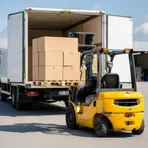
To move people or goods from one place to another, often by vehicle
 88
3.5
88
3.5
To move people or things away, sometimes because of strong feeling
 30
6.0
30
6.0
To carry something heavy or awkward
 18
3.5
18
3.5
To take people or things from one place to another
Compounds


- US
A large snake from Central and South America that gives a dangerous bite when threatened
How Heavy

Surface Forms
Etymology
The word fer comes from the old Latin verb ferre, which means 'to carry' or 'to bear'. You can see the same root in common words like transfer and offer, so to fer something is to carry or bring it.