
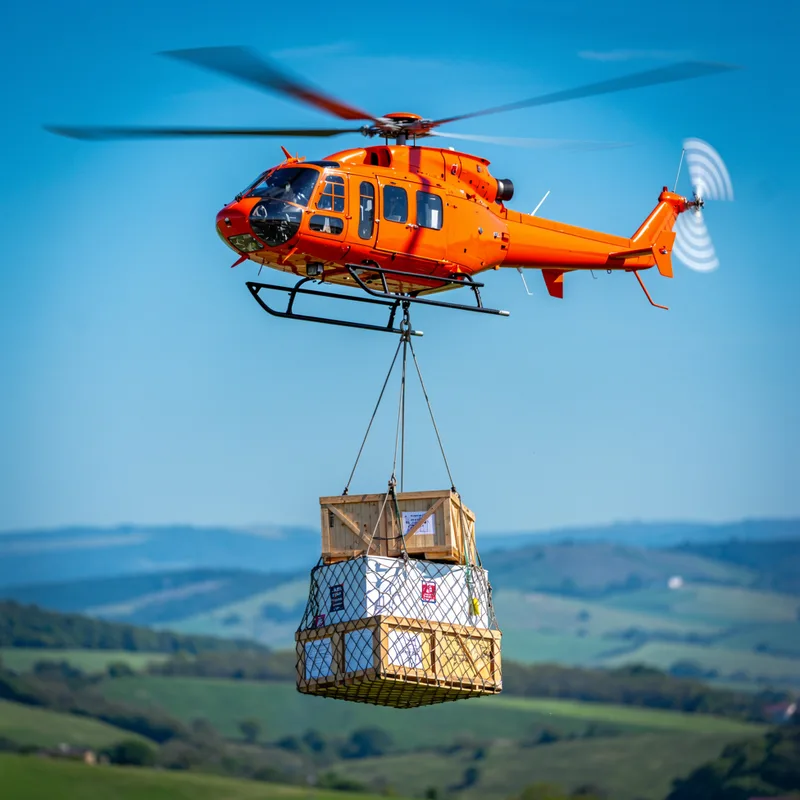
to convey
 18
3.5
18
3.5

- verb
- /kənˈveɪ/
- One panelist argued that reading poetry was effective for conveying concision and weight, the play of ideas and imagery.
- convey the message
- convey material
- convey information
Examples
-
She will be pleased to convey you home.
-
I am to convey Hercules to the underworld kingdom of Pluto where he is to remain for a hundred years.
-
And I shall be pleased to convey them to her.
-
Sir, I'll convey the orders.
-
At first light, I shall return to convey you to meet His Royal Highness.
-
I have an order to convey to you from General Treillard.
-
This woman and her child are to be conveyed to my house in Rome.
-
Already, more of us are gathered outside, waiting to convey you to Miss Serena.
Fiction book (1998) -
Then, quickly, quietly, and unobtrusively, they conveyed the shrouded form into a transport and drove away.
Fiction book (1992) -
The driver will convey you to the airport in less than an hour.
Synonyms
 ∞
1.0
∞
1.0
Move someone or something to another place
 ∞
1.0
∞
1.0
To take someone or something with you to a place
 ∞
1.0
∞
1.0
Make someone go to a place, often for work or as punishment
 ∞
1.7
∞
1.7
Go with a person to bring them to a place
 933
1.0
933
1.0
To bring letters or goods to a person, a place
 528
2.7
528
2.7
To move a person or thing to another place
 377
1.4
377
1.4
To move people or goods from one place to another, often by vehicle
 376
1.8
376
1.8
Cause something to go to other people or places
 325
2.0
325
2.0
Send sound or information from one place to another
 169
3.7
169
3.7
To send something from one thing to another, for example a message or disease
 134
2.7
134
2.7
To give something to another person, often information or a message
 127
1.0
127
1.0
To send a letter or package to someone by mail
 88
3.5
88
3.5
To move people or things away, sometimes because of strong feeling
 76
2.5
76
2.5
Give news, a message, or something you received to another person
 29
2.0
29
2.0
To carry people or goods across water regularly, often by boat
 3
2.0
3
2.0
To take a package to a person or place and give it to them
 1
6.8
1
6.8
Send goods to a person or shop, often for sale
Antonyms

How Far

Surface Forms
Etymology
Convey originally meant to carry things and comes from Latin vehere ('to carry') with com- ('together'); think of vehicle, which carries people or goods. So when you convey someone or something you physically 'carry' them from one place to another.