
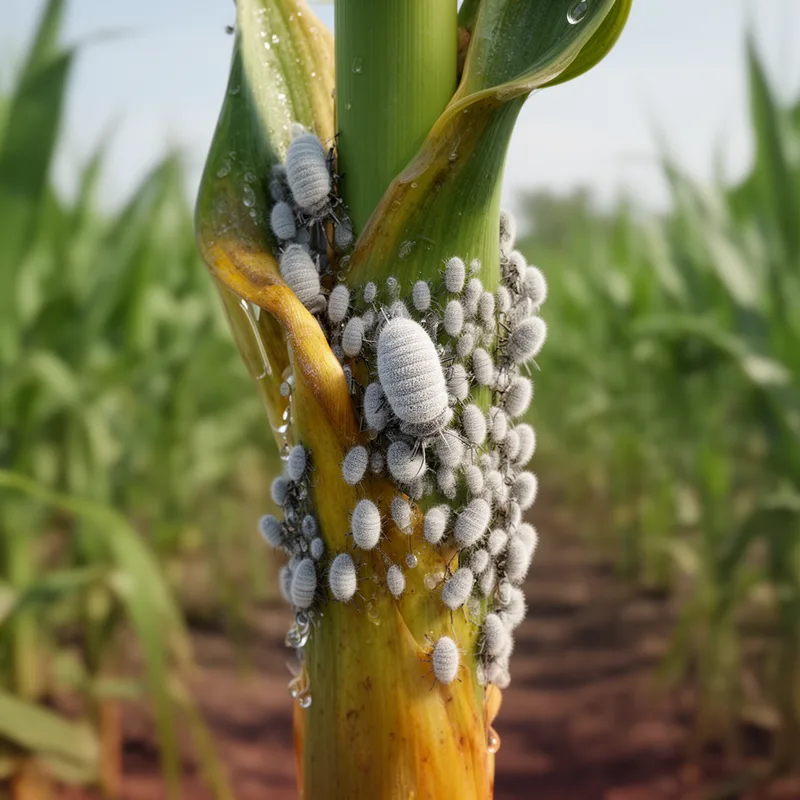
family Pseudococcidae


 1
9.9
- noun
- /ˈfæmɪli ˌsuːdəˈkɒkɪdeɪ/
- Specialized
- The family Pseudococcidae includes a wide variety of mealybug species that feed on plant sap.
Examples
-
The small insects in the family Pseudococcidae are often identified by their cotton-like appearance on leaves.
-
Most pests in the family Pseudococcidae can be controlled using natural predators or insecticidal soap.
-
Scientists studied specimens from the family Pseudococcidae to understand their impact on crops.
-
The family Pseudococcidae includes many common pests.
-
Many plants are affected by the family Pseudococcidae insects.
-
Many gardeners struggle with pests in the family Pseudococcidae, as they can damage crops significantly.
-
In agricultural research, the family Pseudococcidae is frequently examined for its role in pest management.
Synonyms
 1
9.9
Small soft insects that feed on plant sap and often damage crops
Surface Forms
Morphology
This is a straightforward taxonomic construction: 'family' (a scientific grouping) combined with the taxon name 'Pseudococcidae' yields the family of insects called Pseudococcidae (mealybugs). Although somewhat technical, the meaning is directly compositional and follows a common cross-linguistic naming pattern, so a learner who knows both constituents would understand it.
Etymology
Family Pseudococcidae may come from Greek parts: pseudo meaning 'false' and coccus meaning 'seed' or 'berry'. These insects look like tiny white seeds or bits of cotton on plants, so the name helps you remember they are mealybugs that feed on plant sap.