
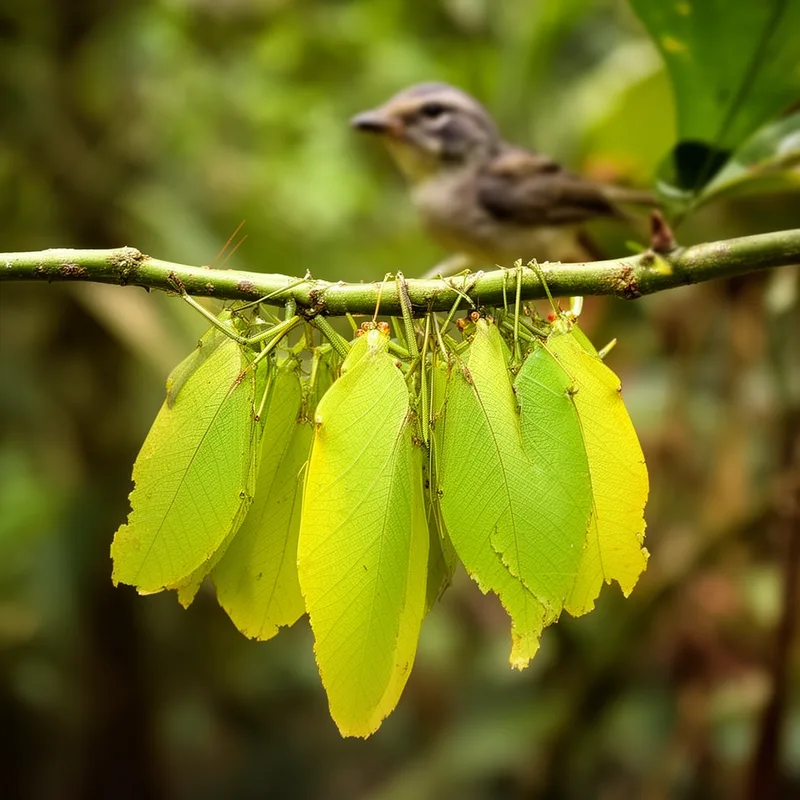
family Phyllidae
- noun
- Specialized
- The family Phyllidae consists of various species of leaf insects.
Examples
-
The family Phyllidae includes some of the most extraordinary masters of camouflage in the insect world.
-
Scientists study the family Phyllidae to understand the evolution of mimicry.
-
Many species in the family Phyllidae are found in tropical forests.
-
Many insects in the family Phyllidae can change color to blend in.
-
The family Phyllidae showcases insects that have evolved to mimic leaves for protection.
-
Researchers are fascinated by the family Phyllidae due to their unique leaf-like appearance.
-
Several members of the family Phyllidae can be observed resting on tree branches, looking like part of the foliage.
Synonyms
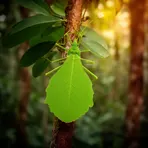
Insects with flat bodies that look like leaves to hide from other animals
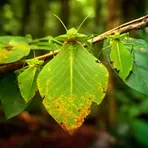
Insects with wide flat bodies that look like leaves

A family of insects that look like leaves to hide from other animals
Surface Forms
Morphology
The phrase combines the taxonomic noun 'family' (a scientific grouping) with the taxon name 'Phyllidae', so a learner who knows both constituents can directly infer it denotes the Phyllidae family of leaf-mimicking insects. Taxonomic noun phrases are compositional and cross-linguistically common, so the meaning is transparent to a B1 learner.
Etymology
Family Phyllidae comes from a Greek root: the part phyll- means 'leaf'. These insects really look like leaves to hide from predators, so the name helps you remember they are leaf-like.

