
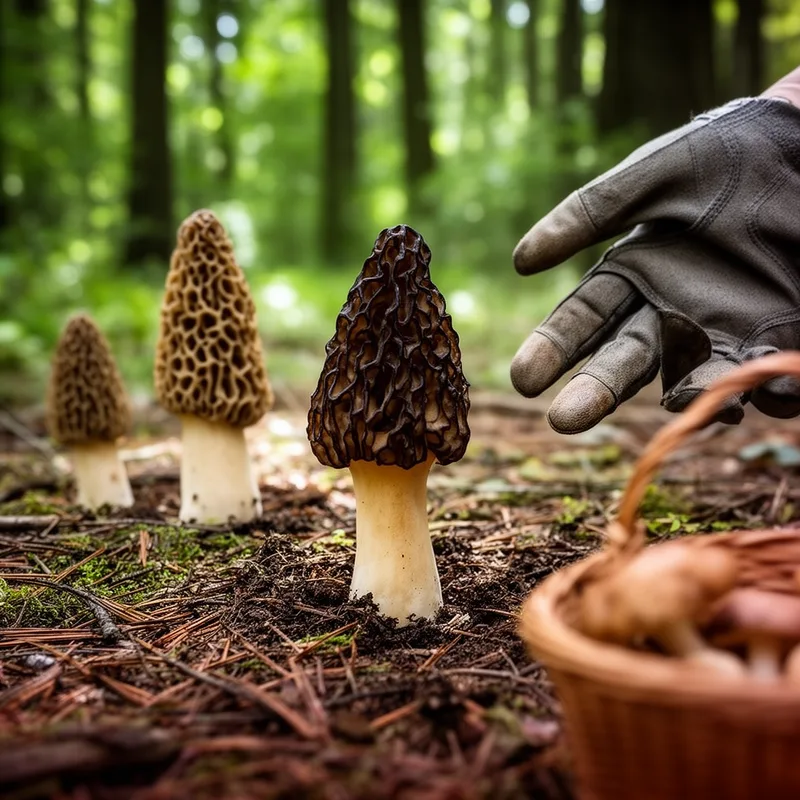
false morel
- noun
- /fɔls mɔrəl/
- Specialized
 :
morel falso
:
morel falso
- Many inexperienced foragers mistake the false morel for the edible true morel, which can be dangerous.
Examples
-
In some regions, collecting false morels is strictly discouraged due to their toxic properties.
-
The false morel contains compounds that can be deadly if not properly prepared or consumed raw.
-
The false morel can be deadly if consumed.
-
Many foragers mistakenly identify false morels as edible.
-
While foraging in the woods, I discovered a false morel, which I quickly recognized as poisonous.
-
Many inexperienced mushroom hunters confuse false morels with true morels, leading to dangerous situations.
-
He warned us about the dangers of eating false morels, as they can cause severe illness.
Synonyms

A poisonous mushroom with a wrinkled, brain-like cap often mistaken for edible morels

A wild mushroom like a morel that can be poisonous
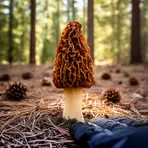
A brown mushroom that looks like a morel and grows under pines in California and can be poisonous

A poisonous mushroom with a wrinkled cap that can be deadly if eaten raw or not cooked properly
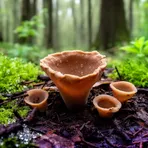
A cup-shaped mushroom often found in damp forests in spring
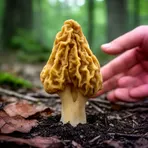
A poisonous mushroom with a saddle-shaped dull yellow or brown cap
Surface Forms
Morphology
The noun phrase combines 'false' (meaning imitation/not genuine) with 'morel' (a type of mushroom), so a B1 learner who knows both words can infer it refers to a look-alike or non-true morel. This compositional pattern (false + N = imitation or deceptive version) is common cross-linguistically and makes the specialized sense (a look-alike, often poisonous) reasonably predictable.
Etymology
False morel names a poisonous mushroom that looks very similar to a 'true morel'. The word false shows it is a 'fake' of the edible morel, so the image of a dangerous lookalike helps you remember it is 'poisonous' and not safe to eat.

