
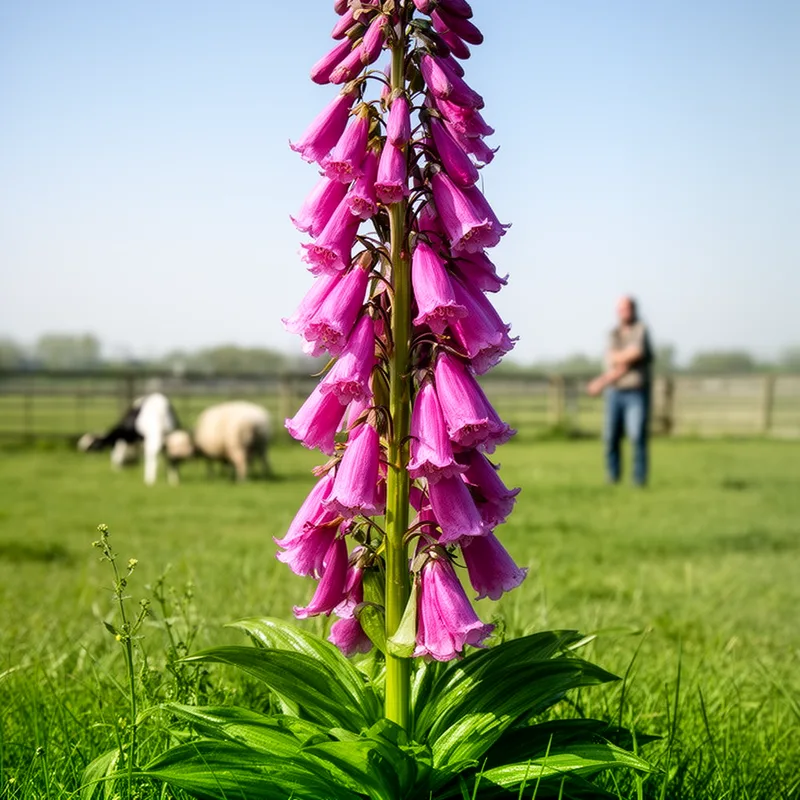
fairy bell
- noun
- UK
- Look at that stunning fairy bell in bloom!
Examples
-
The fairy bell is admired for its beautiful pink-purple blooms in cottage gardens.
-
Farmers are cautious because the leaves of the fairy bell are toxic to livestock.
-
Botanists often study fairy bells for their valuable medicinal properties.
-
The fairy bell is known for its vibrant colors.
-
In my garden, the fairy bell blooms with large, tubular pink-purple flowers every spring.
-
Farmers need to be cautious about planting fairy bells since their leaves are poisonous to livestock.
-
The vibrant clusters of fairy bells added a splash of color to the meadow this summer.
Synonyms
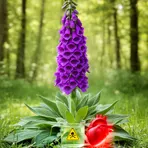
A tall European plant with purple bell-shaped flowers whose leaves make a medicine for the heart and are poisonous

A tall plant with large pink-purple tube flowers whose leaves are poisonous but make heart medicine

A tall garden plant with large pink-purple tube-shaped flowers and leaves poisonous to animals

A tall leafy plant with large pink-purple flowers that has leaves poisonous to livestock and used for heart medicine

A tall European plant with clusters of pink-purple tube flowers whose leaves make heart medicine and can poison farm animals
Surface Forms
Morphology
The compound is compositionally transparent: 'fairy' evokes small/delicate or folkloric quality and 'bell' refers to a bell-shaped form, so a learner who knows both words can infer this is a plant with bell-shaped flowers. Specific botanical details (biennial/perennial habit, contains digitalis, poisonous) are not predictable, but the core sense as a bell-shaped flowering plant is directly derivable from the constituents.
Etymology
The plant name fairy bell may come from its small, bell-shaped pink flowers that look like tiny bells and seem fit for fairies. So, the name helps you picture the pretty blooms, but its leaves are 'poisonous' to farm animals.

