
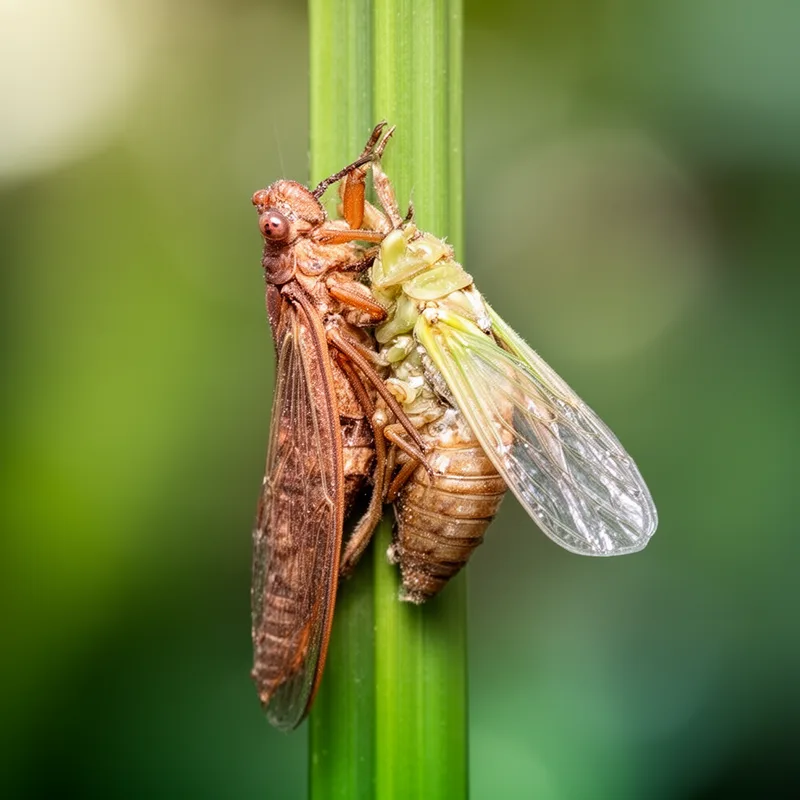
to exuviate
- verb
- /ɪɡˈzuːviˌeɪt/
- Specialized
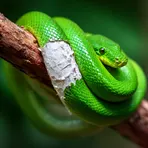
- The snake exuviates its skin regularly.
Examples
-
Some reptiles exuviate their old skin regularly as they grow.
-
Many birds exuviate their feathers before the migration season.
-
During its metamorphosis, the insect will exuviate and emerge in a new form.
-
Many insects exuviate during their life cycle.
-
Many birds exuviate their feathers before the migration season.
-
Some reptiles exuviate their old skin regularly as they grow.
-
During its metamorphosis, the insect will exuviate and emerge in a new form.
Synonyms

 68
3.5
68
3.5

To lose hair, skin or feathers naturally as they grow
 8
6.1
8
6.1
To shed old feathers, skin, hair, or shell so new ones can grow

To shed an old outer layer of skin or feathers when an animal grows
Surface Forms
Morphology
exuviate = exuvia (opaque) = exuvia + ate
Formed from the obscure noun 'exuvia' plus the productive verb-forming suffix '-ate'; the base is not a familiar English word for most learners, so meaning is not transparently inferred.
Etymology
The word exuviate comes from the Latin word exuviae, meaning 'things stripped off' or 'cast-off skins'. Think of the ex- part as 'out' and the rest as what is taken off, so to exuviate is to 'take off' or shed an outer layer like skin, feathers, or a shell.