
exteroceptor
9.9
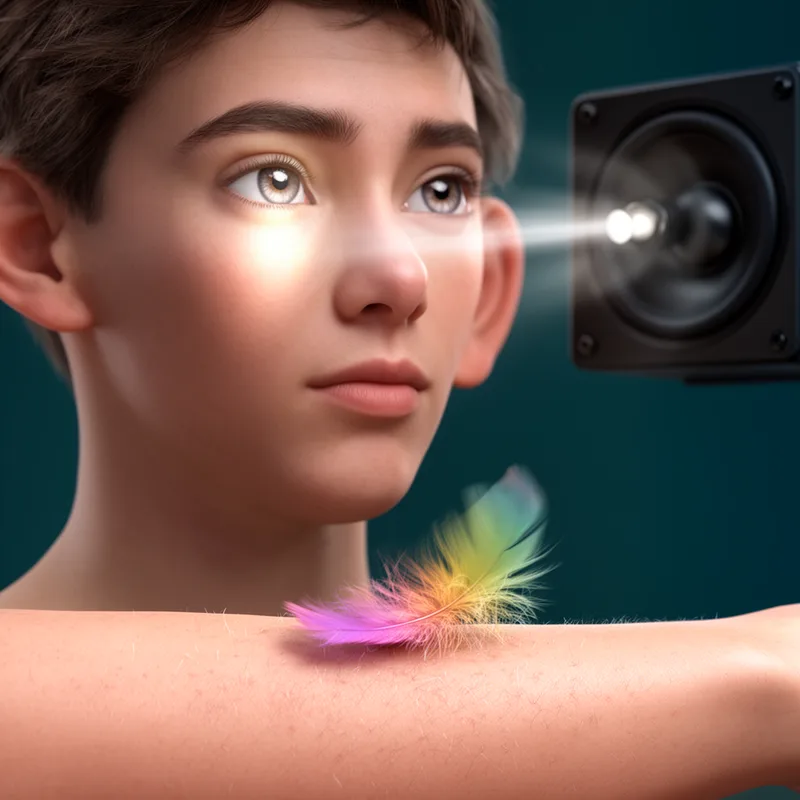
A body part that senses things outside the body, like light, sound, or touch
- noun
- /ɛkˈstɛrəˌsɛptər/
- Specialized
:
exteroceptor
- Exteroceptors allow us to sense our environment through touch, sound, and sight.
Examples
-
Animals rely on their exteroceptors to detect predators and find food.
-
The scientist studied how exteroceptors in the skin respond to changes in temperature.
-
Conversely, athletes of open-skill-dominated sports perform largely according to a moment-to-moment changeable environment or the information obtained by their exteroceptors.
Academic text (2003)
Synonyms

 67
6.1

A part of the body like a cell that receives chemical or nerve signals and reacts
is limited to sensors activated by outside environmental stimuli
 1
5.8
A body part that senses touch, light, or sound and sends signals to the brain
responds only to stimuli coming from outside the body
Antonyms

Surface Forms
exteroceptor singular
exteroceptors plural
Morphology
Etymology
Exteroceptor comes from the parts extero- ('outside') and receptor ('to receive'), similar to the words external and receive. So an exteroceptor is a body 'receiver' that senses things coming from outside, such as light, sound, or touch.