
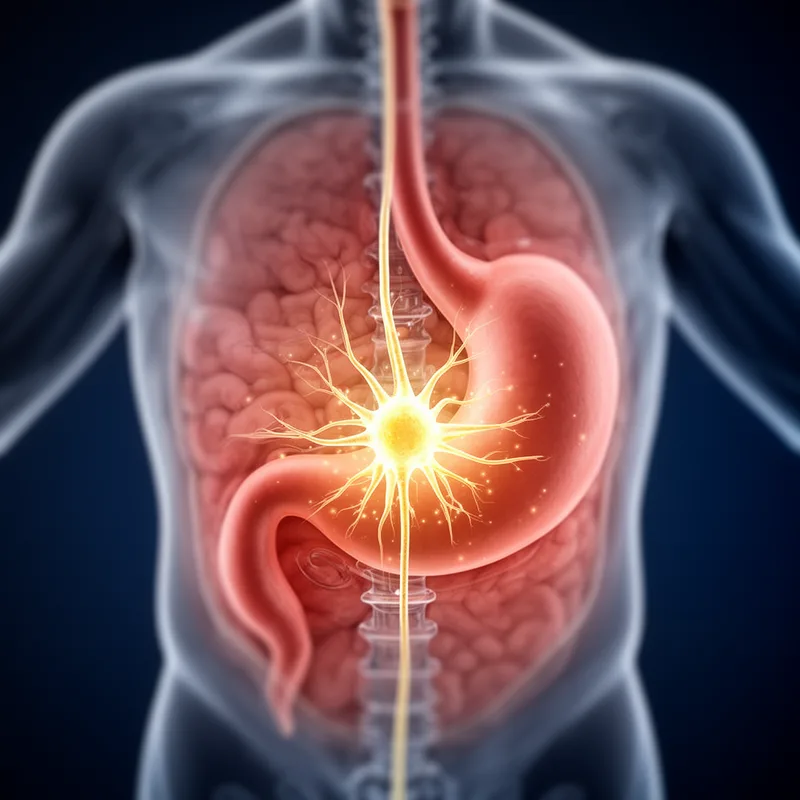
interoceptor
- noun
- /ˌɪntəˈroʊsɛptər/
- Specialized
- Scientists study interoceptors to understand how the body senses hunger, thirst, and other internal needs.
Examples
-
Pain or discomfort often begins when interoceptors detect abnormal conditions in internal organs.
-
Some interoceptors help regulate blood pressure by monitoring changes within blood vessels.
-
The interoceptor detects changes in internal body conditions.
-
Many interoceptors are located in the digestive system.
-
Pain or discomfort often begins when interoceptors detect abnormal conditions in internal organs.
-
Scientists study interoceptors to understand how the body senses hunger, thirst, and other internal needs.
-
Some interoceptors help regulate blood pressure by monitoring changes within blood vessels.
Synonyms
A nerve cell that senses changes inside the body, for example in the gut
Surface Forms
Morphology
interoceptor = receptor (semi-transparent) = intero + ceptor
Formed by the medical combining form 'intero-' (internal) plus the familiar word 'receptor'; the combining form is not a standalone common word, so learners may partially but not fully infer the meaning.
Etymology
The word interoceptor comes from two parts: intero- meaning 'inside', like interior, and -ceptor meaning 'to take or receive', like receptor or the word 'receive'. So an interoceptor is a sensor that 'receives' signals from inside the body.

