
evolutionism


 1
7.2
1
7.2
- noun
- /ˌɛvəˈluːʃənɪzəm/
- Specialized
 :
evolucionismo
:
evolucionismo
- A pragmatism emerged in which the Confucian morality, based on the past and on social harmony, was abolished in favor of evolutionism and concepts of competition.
- social evolutionism
Examples
-
Catholic convert Isaac Hecker proposed a race history of Christianity, which implicitly accepted Lamarckian evolutionism.
Academic text (2003) -
"I will argue that anthropology is already a practice and that it is precisely for this reason that it cannot rid itself of evolutionism."
Academic text (1996) -
"His view also has roots in evolutionism," Nasr said.
Academic text (1994) -
Despite its aversion to evolutionism, then, anthropology has not been able to free itself from its grasp.
Academic text (1996) -
The history of the Garden of Eden led me to commentaries on subjects ranging from the Book of Genesis to the birth of evolutionism.
Academic text (2010) -
However, I agree that creationism and evolutionism aren't mutually exclusive.
Blog text (5) -
The foregoing discussion raises several urgent questions: Why is it that contemporary anthropology is unable to lay the specter of evolutionism to rest?
Academic text (1996) -
And Stocking (1987) has observed that the question of evolutionism in anthropology is not as clear-cut as it might seem.
Academic text (1996) -
National Geographic resolves this paradox, according to Lutz and Collins, by advancing an "optimistic" brand of social evolutionism that focused on "the evolutionary guarantee" (18) of progress through the increasing triumph of rationality over instinct.
Academic text (2014) -
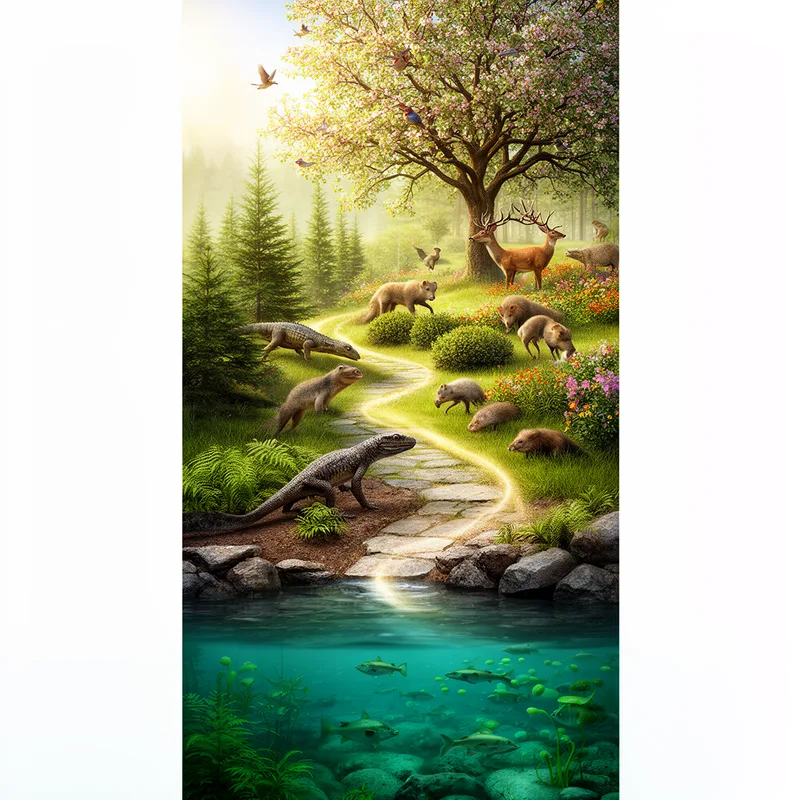
The theory of evolutionism suggests that species of plants and animals have developed over millions of years.
Synonyms
 377
4.4
377
4.4
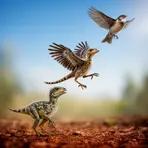
Gradual change in living things over many generations caused by nature
 14
3.9
14
3.9
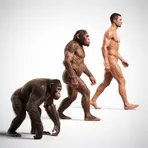
The idea that living things change over time by natural selection
 13
7.5
13
7.5
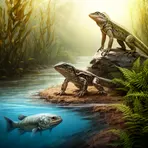
The idea that species change over time by natural selection
 1
4.7
1
4.7
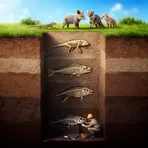
Living things change slowly over many years to form new species

A scientific idea that living things slowly change and share common ancestors
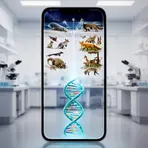
A modern theory that new species form by changes in genes and natural selection
Antonyms
Compounds

- Specialized
A way of studying how unrelated cultures change in similar ways over time
Surface Forms
Morphology
Etymology
Evolutionism comes from the word evolution, which itself comes from the old Latin evolvere meaning 'unroll', plus the ending -ism for a system of belief. Think of life as 'unfolding' slowly — that's why evolutionism means the belief that species developed and changed from earlier forms over time.